
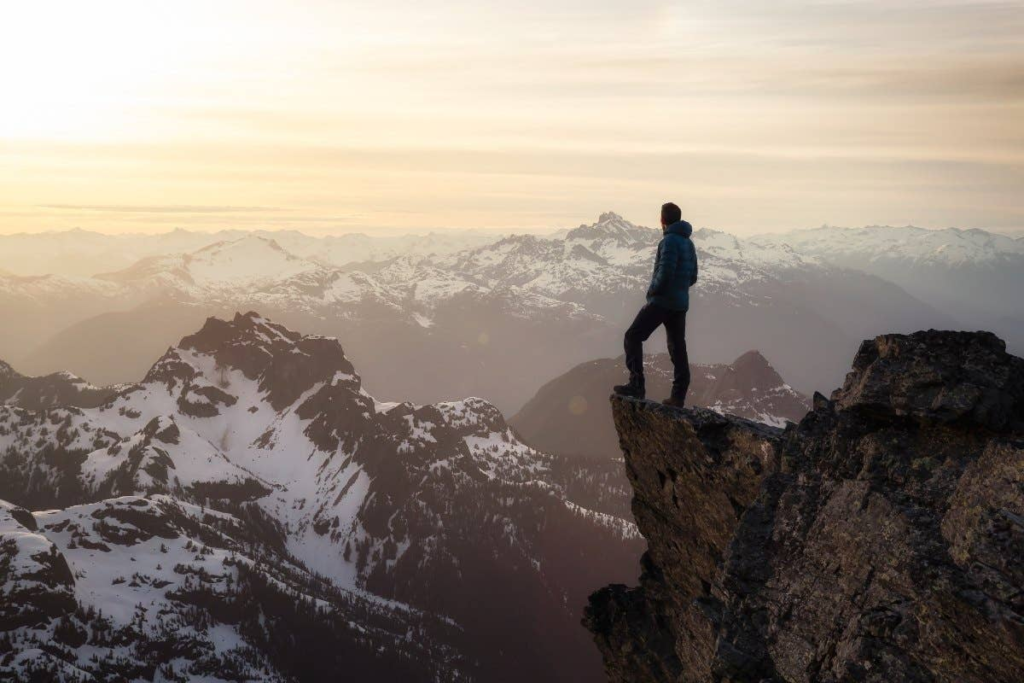
For a long time, the phrase “adventure travel” brought to mind extreme adrenaline junkies jumping off bridges, scaling vertical ice walls, or spending months surviving in deep jungles. In 2026, that old stereotype is pretty much dead. Today, getting adventurous is much more personal, flexible, and grounded in real-world human experiences. People aren’t trying to prove anything to the world—they just want a genuine break from screen time, a taste of different daily cultures, and memories they’ll actually want to talk about at dinner parties.
Whether you’re itching to hike through silent mountain passes, paddle a kayak along a quiet coastline, or just spend three days camping under clear night skies, there’s a world of choice out there. You don’t need to be a seasoned outdoor guide or a marathon runner to pull this off either. Getting out there is simply about stepping a few paces outside your daily comfort zone and letting the road teach you something new.
What Adventure Travel Actually Means Today
At its core, an adventure trip is simply any journey where you actively engage with your surroundings instead of sitting passively on a tour bus. It’s about trading rigid itineraries for genuine discovery.
| Type of Adventure | What the Day Actually Looks Like | Physical Effort Level | Who Will Love This |
|---|---|---|---|
| Trail Trekking | Walking scenic dirt paths, mountain tracks, or coastal trails at your own steady pace. | Moderate to High | Walkers, nature lovers, and deep thinkers |
| Water Exploration | Paddling river kayaks, coastal paddleboarding, or swimming in hidden sea caves. | Low to Moderate | Water lovers and hot-weather travelers |
| Two-Wheel Touring | Riding bicycles or e-bikes through quiet country villages and vineyard backroads. | Flexible / Adjustable | Freedom seekers and slow travelers |
| Wildlife Watching | Tracking local species with certified local rangers in protected national parks. | Low | Animal enthusiasts and photography fans |
| Cultural Road Trips | Navigating winding back roads, stopping at tiny roadside diners, and sleeping in villages. | Low | Road trippers and inquisitive souls |
The real secret is that you get to define your own limit. For a busy city worker, an adventure might mean turning off their smartphone for a four-day off-grid camping stint. For someone else, it might be joining a multi-day trek through high mountain valleys. As long as it leaves you feeling refreshed, challenged, and energized, you’re doing it right.
Why Everyone Is Heading Outdoors in 2026
We spend an absurd amount of time staring at glowing screens, managing endless email threads, and following predictable weekly routines. It’s no surprise that when vacation time rolls around, people want something real. Sitting by a crowded hotel pool for seven straight days just doesn’t cut it anymore for a lot of folks.
Moving your body through nature is the ultimate physical reset button. Spending a few hours pedaling through country air, swimming in cold natural lakes, or scrambling up a rocky trail view rewires your headspace completely. Plus, outdoor experiences offer an easy way to build real stories and true confidence that staying in luxury resorts simply cannot buy.
Popular Styles of Adventure to Choose From
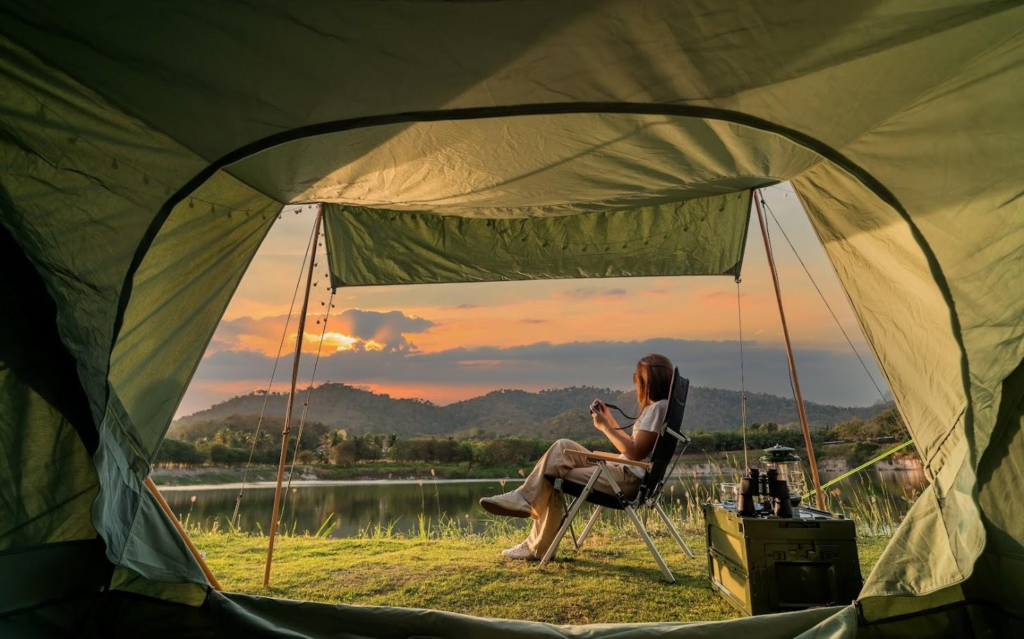
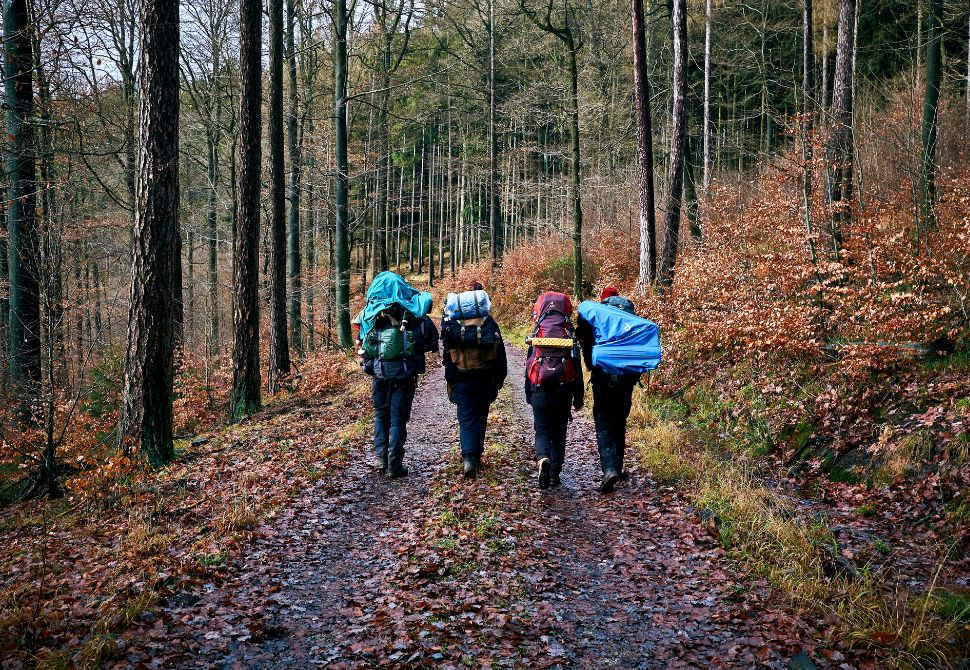
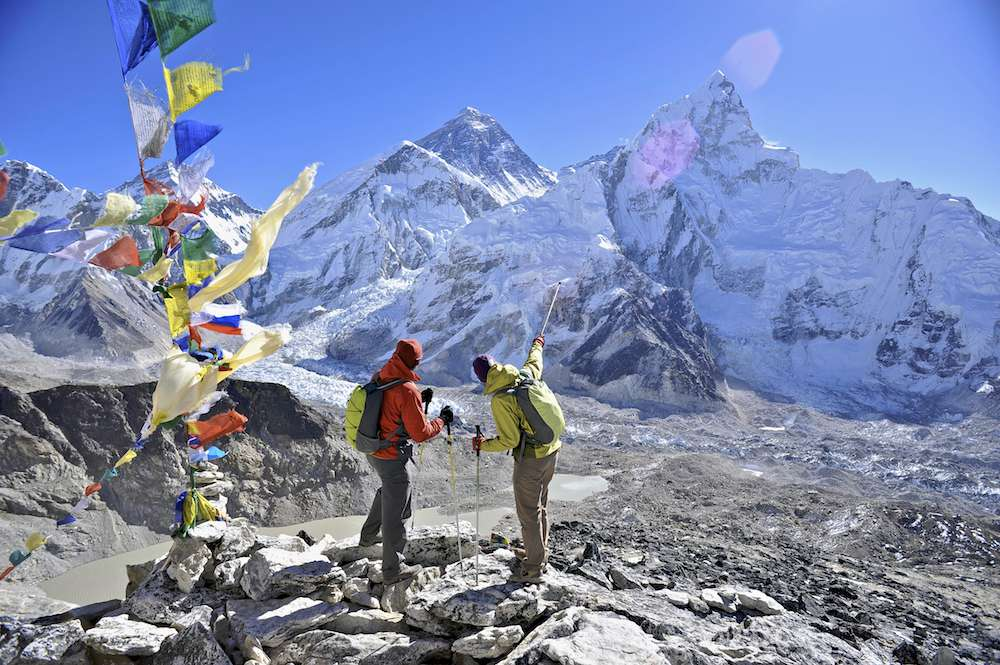
If you aren’t sure where to start, think about the elements you naturally enjoy most when you get outdoors:
- Foot-Travel & Hiking: This is by far the most accessible way to start. All you really need is a broken-in pair of shoes and a daypack. Walking lets you absorb a landscape at a natural human pace rather than watching it blur past a car window.
- River & Ocean Adventures: If you love being around water, paddling a sea kayak into hidden bays or rafting down gentle mountain rivers offers an unbelievable perspective on coastal nature.
- Country Cycling & Road Trips: Getting on a bike or renting a car gives you the ultimate daily freedom. You can stop at small family bakeries, take unmapped side roads, and find hidden spots that tourists rarely see.
- Nature & Wildlife Encounters: Spending time in protected natural reserves helps you connect with the natural world while supporting crucial conservation efforts managed by nearby communities.
Picking a Spot That Fits Your Skills
It’s easy to get sucked into stunning travel photos on social media, but picking a location based purely on a pretty picture is a classic rookie mistake. A steep, mud-soaked jungle trail might look epic in a filtered photo, but it won’t be much fun if you’re unprepared for intense heat and insects.
Be totally honest with yourself about your current physical fitness and comfort levels. Ask yourself: Do I want chilly alpine air or warm ocean breezes? Am I okay sleeping in a tent, or do I want a hot shower and a real mattress at the end of the day? Matching the destination to your actual preferences ensures you spend your trip smiling instead of just enduring it.
Smart Budgeting for Your Journey
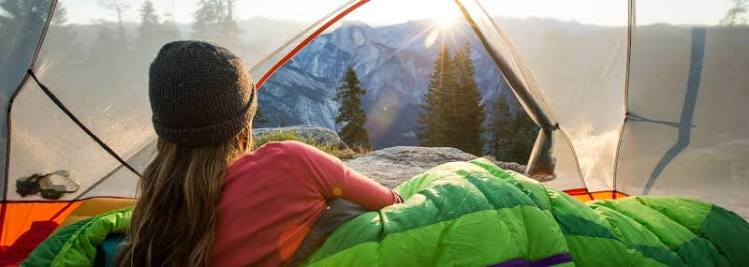
There is a huge misconception that adventure travel is wildly expensive. While specialized high-altitude mountain expeditions definitely cost a fortune, most outdoor trips are surprisingly budget-friendly because nature itself doesn’t charge an entrance fee.
- Travel During Shoulder Seasons: Heading out just before or immediately after peak summer months means cheaper flights, lower room rates, and far fewer crowds on popular hiking trails.
- Book Direct with Local Guides: Instead of paying massive international travel agencies, hire independent local outfitters when you arrive. You’ll save cash and put money directly into the local economy.
- Mix Up Your Stays: Alternate between simple backcountry campsites or rustic family guesthouses and comfortable local inns to keep your daily accommodation costs low.
- Invest in Gear You Can Reuse: Don’t buy cheap, throwaway gear right before you leave. Invest in a comfortable backpack and durable boots that will last you through years of trips.
Keeping Your First Itinerary Simple
When planning your very first outdoor adventure, resist the urge to pack every single hour with activities. Trying to squeeze three different national parks, two river tours, and a long mountain trek into five days will leave you exhausted and stressed out.
Pick one solid base camp or region and focus on doing one major activity per day. Leave plenty of open space in your daily schedule for unplanned stops, weather delays, or just sitting by a river enjoying a quiet lunch. Flexibility is what keeps an adventure feeling like a vacation rather than a chore.
What to Pack (and What to Leave at Home)
Overpacking is the absolute fastest way to ruin a good outdoor trip. Dragging a heavy, overstuffed suitcase over dirt roads or cobblestones gets old in about thirty seconds.
ADVENTURE PACKING ESSENTIALS
├── Core Apparel
│   ├── Moisture-wicking base layers (avoid heavy cotton)
│   ├── Insulating fleece or light down jacket
│   ├── Reliable waterproof jacket
│   └── Broken-in, sturdy hiking footwear
├── Daily Gear
│   ├── Comfortable 20-30L daypack
│   ├── Tough, reusable water bottle
│   └── Compact headlamp or torch
└── Personal Safety
    ├── Pocket-sized first-aid kit
    ├── High-SPF sunscreen & insect spray
    └── External power bank for phone maps
Always test your gear before you leave your house. Never step onto a multi-day hiking trail wearing brand-new boots fresh out of the box, or you’ll be dealing with painful blisters by noon on day one.
Staying Safe Out on the Trail
Taking risks isn’t what makes a trip adventurous—getting back home in one piece with great stories is. You don’t need to be overly anxious, but basic outdoor common sense goes a long way.
Always check local weather forecasts right before you head out, respect warning signs on riverbanks or cliffs, and know your physical limits. If a mountain trail gets covered in heavy fog or a river gets too high, turning back isn’t a failure—it’s just smart, responsible outdoor judgment. Make sure your phone has offline maps downloaded, carry a small power bank, and always let someone know where you are headed for the day.
Solo Adventures: Finding Your Own Rhythm
Heading out on an outdoor trip by yourself can feel a bit intimidating at first, but it is easily one of the most rewarding things you can do. You get total control over when you wake up, how fast you walk, and where you eat.
If you’re traveling solo, staying in social guesthouses or joining small group day tours is a great way to meet fellow travelers without losing your independence. For more technical or remote outdoor activities, hiring a certified local guide gives you both safety peace of mind and an insider’s look into the local culture.
Traveling Without Leaving a Trace
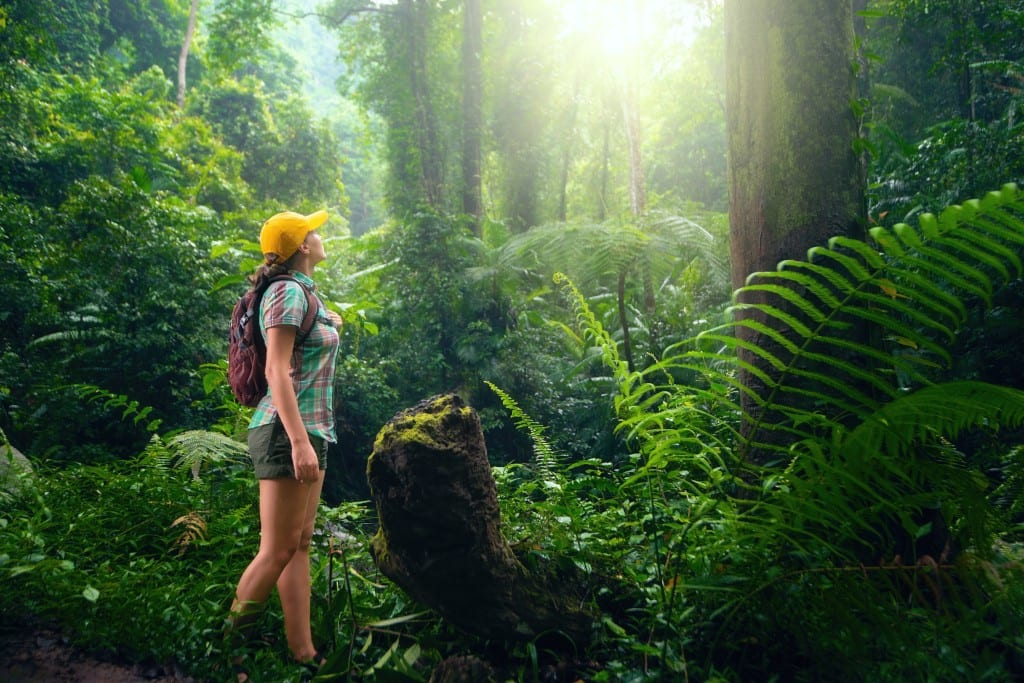
The incredible places we visit depend on simple, respectful human stewardship. Responsible travel isn’t complicated: pack out every scrap of rubbish you bring in, stay on marked trails so you don’t erode fragile soil, and give wild animals plenty of personal space.
Support the communities hosting you by buying meals at local family diners, hiring local drivers, and staying at locally owned inns. Leaving a positive footprint ensures these beautiful natural spots stay pristine for the next person who walks down the trail.
Smart Tech Tips for the Trail
Smartphones have made outdoor travel vastly safer and easier, provided you use them as helpful tools rather than distractions.
Download offline mapping apps like AllTrails or Maps.me before you lose mobile service in deep valleys. Keep digital backups of your passport, travel insurance, and booking vouchers saved directly on your phone’s storage. But most importantly, once you reach that breathtaking mountain summit or quiet lake shore, put your phone in your pocket for twenty minutes and just soak in the view with your own eyes.
Mistakes You Can Easily Avoid
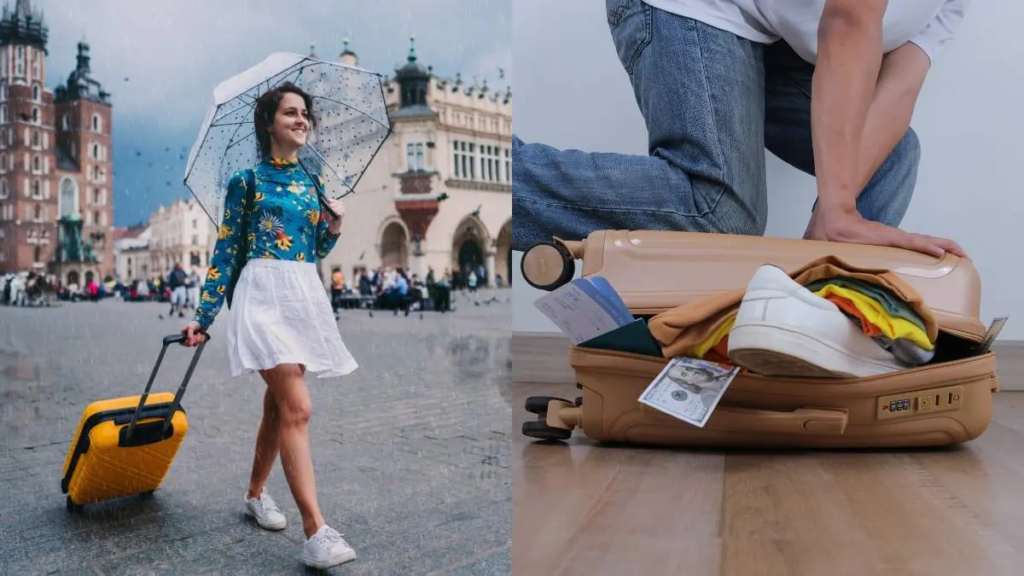
- Buying All-New Gear At Once: You don’t need top-of-the-line brand-new equipment for a simple hiking weekend. Borrow or rent high-end gear until you know what you truly need.
- Underestimating Trail Effort: Don’t just look at total distance on a map; always check elevation gain and trail ruggedness. A 5-mile walk uphill over loose rock takes twice as long as a 5-mile flat stroll.
- Ignoring the Weather: Outdoor weather can shift in minutes. Always pack a light rain jacket even if the morning sky looks completely clear.
- Copying Social Media Pictures: Don’t build a trip just to get one specific photo you saw online. Focus on the overall experience, not the digital proof.