
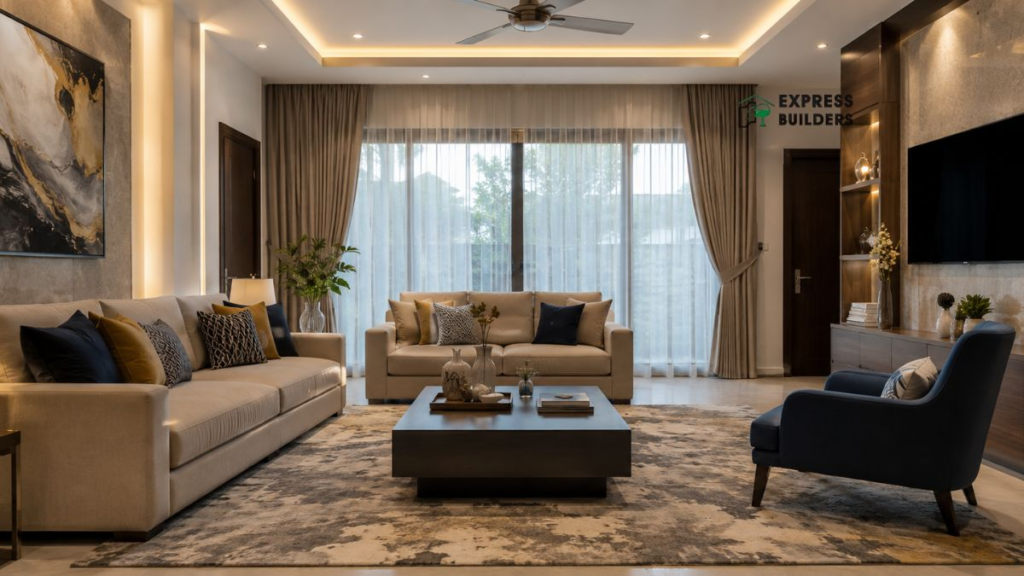
Let’s be completely honest with ourselves: your home should never feel like a random showroom or a chaotic storage unit. It is the one place on earth where you get to shut out the noise of the outside world, drop your guard, and truly be yourself. However, far too many people look around their rooms and feel a quiet sense of frustration—either because the layout feels clunky, the colors feel completely drained of life, or the space just doesn’t work for their daily routine. That is exactly where the true magic of thoughtful interior design comes into play.
There is a huge misconception floating around that designing a beautiful home requires a massive bank account and access to luxury boutiques. In reality, interior design is not about showing off wealth; it is a deeply personal blend of art, psychology, and practical problem-solving. It is the intentional practice of arranging your physical environment so that it actively lifts your mood, sparks your daily productivity, and wraps you in total comfort. As we navigate the design landscape of 2026, the focus has completely shifted away from stiff, picture-perfect rules and moved toward creating spaces that tell your unique human story. Let’s break down the essential steps to completely transform your four walls into an inspiring, functional sanctuary.
What Is Interior Design?
To truly master your living space, you first need to understand that interior design goes leagues beyond just scattering trendy pillows on a sofa or picking out a pretty paint chip. It is the strategic process of manipulating space, light, and physical objects to fundamentally improve how you live, breathe, and move inside a room.
[Raw Empty Room] ──► Smart Space Planning + Light Mapping ──► Balanced, Living Sanctuary
When you look at a room through the eyes of a designer, you start seeing it as an ecosystem. You have to carefully balance scale, proportion, natural light, and structural traffic flow so that nothing feels awkward or forced. A genuinely successful design plan doesn’t force you to choose between a gorgeous room and a usable one. Instead, it weaves beauty and functionality together so seamlessly that you don’t even have to think about it—the room just feels naturally right the second you walk through the door.
Why Interior Design Matters
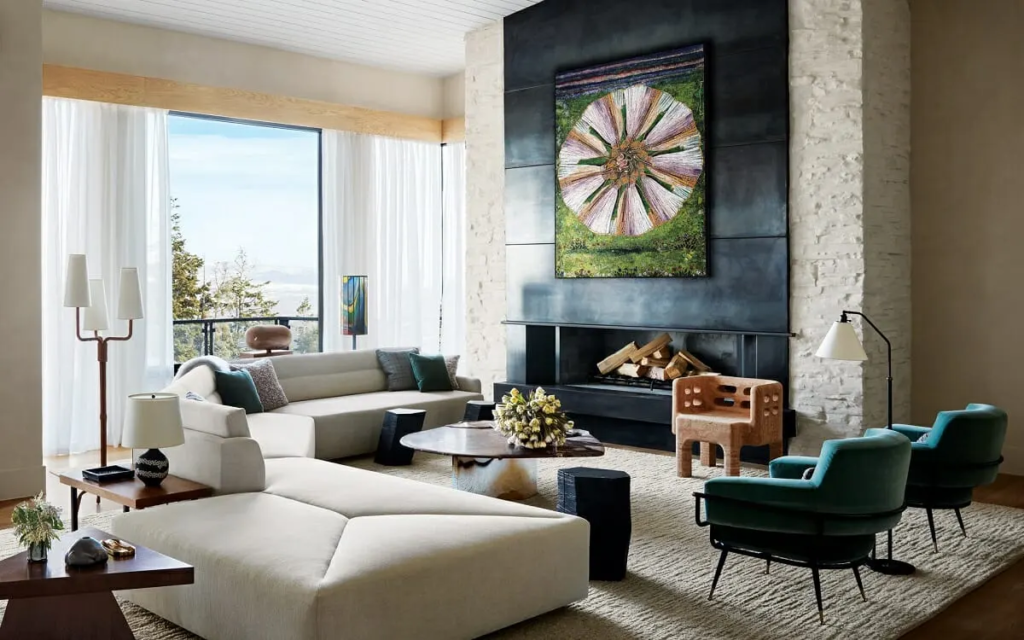
We often underestimate how deeply our physical surroundings impact our mental and emotional well-being. Walking into a cluttered, dark, or poorly arranged house after an exhausting workday creates a heavy, subconscious layer of stress that actively prevents your nervous system from relaxing.
Conversely, a home that has been designed with genuine intent acts like a soothing balm for your mind. When your furniture is placed logically, your eyes can rest on comforting colors, and your daily items are organized beautifully, your brain instantly signals a state of calm and safety. Good design maximizes every square inch of your property, eliminates the daily friction of looking for misplaced keys, and creates distinct, cozy pockets of space that perfectly support your changing human moods—whether you need to focus intensely on a work project or completely melt into a weekend movie night.
Understanding Your Space
The absolute biggest mistake people make is running straight to a furniture store the moment they get an interior decorating urge. Before you buy a single item, you need to sit quietly in your room and perform an honest, unfiltered spatial assessment.
Every single room has its own set of unique quirks, weird structural angles, and natural lighting conditions that you cannot ignore. Grab a tape measure and figure out your exact wall dimensions so you don’t end up buying a massive sofa that completely blocks your hallway traffic. Notice how the sunlight moves across the room from morning to evening. A paint color that looks brilliantly crisp in a sun-drenched, south-facing room can easily look cold, gloomy, and depressing in a dark basement apartment. You have to work with your space, not against it.
Choosing the Right Color Palette
Color is the absolute emotional heartbeat of your home. It has the undeniable power to change the psychological temperature of a room instantly, shifting your internal energy levels the moment you look at it.
[Soft Off-Whites & Beiges] ──► Expands Small Spaces ──► Reflects Light ──► High Mental Calm
[Deep Earthy Greens & Browns] ──► Closes Large Spaces ──► Absorbs Light ──► High Coziness & Intimacy
If you want a living room that feels incredibly expansive, light, and airy, your best bet is to lean into crisp off-whites, soft creams, and gentle neutral tones that reflect natural light beautifully across the walls. On the flip side, if you are designing a moody bedroom retreat, do not be afraid to wrap the space in deep forest greens, rich charcoals, or warm chocolate browns to create a sophisticated, protective cocoon. The secret is to maintain a cohesive color thread that connects your rooms together, creating a smooth visual journey as you walk down the hallway.
The Importance of Lighting
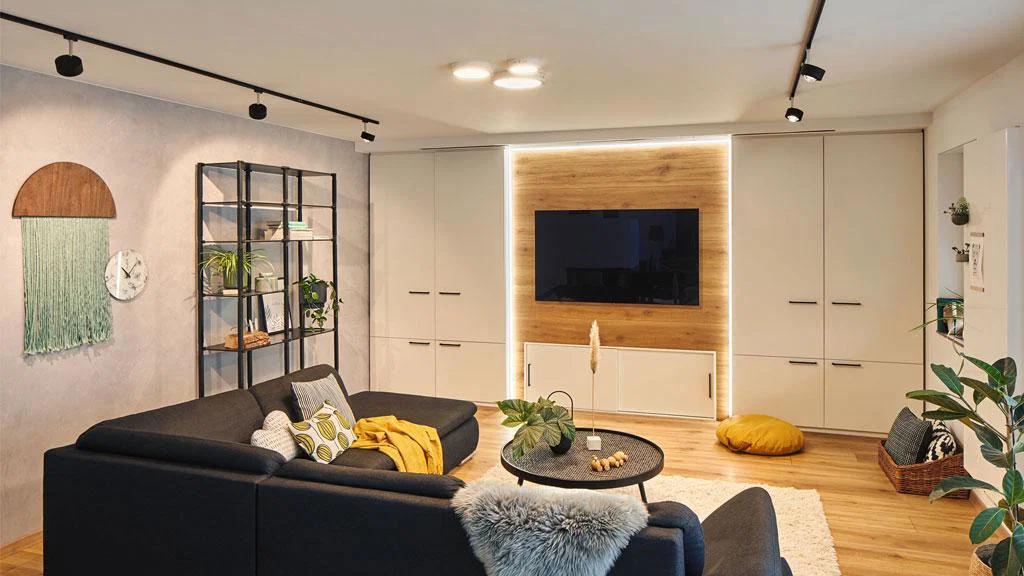
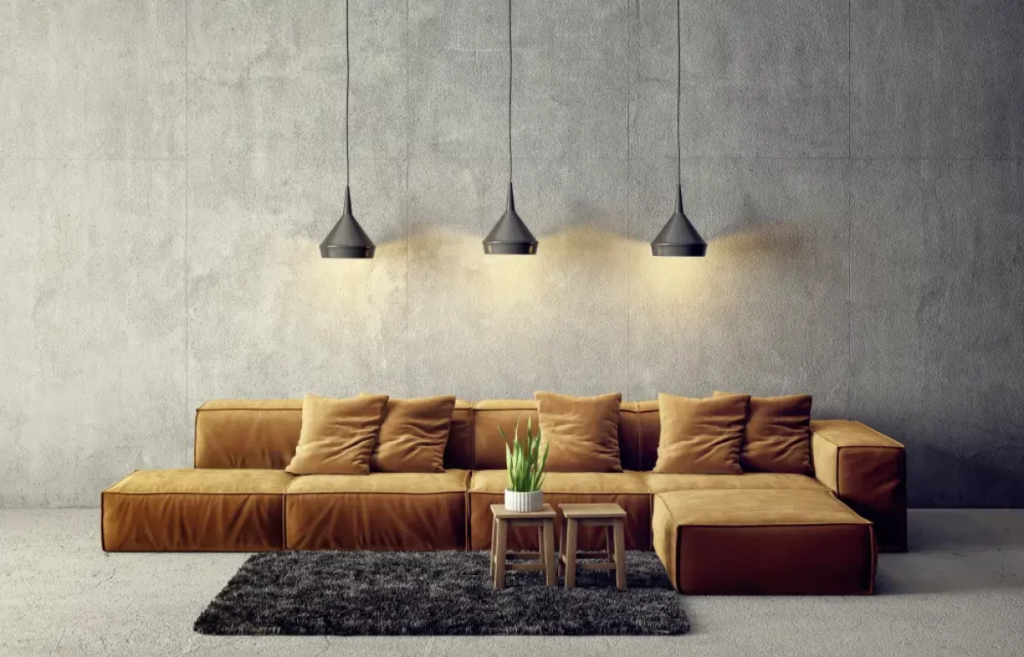
You can spend a fortune on high-end Italian furniture and custom artwork, but if your lighting is harsh, cold, or poorly placed, your room will still end up looking completely uninviting. Lighting is the secret ingredient that glues a great design together.
To make a room feel dimensional and alive, you need to ditch the single, blinding overhead ceiling light and implement a technique called lighting layering. You want to blend three distinct types of light: ambient lighting (soft background glow from dimmers or lamps), task lighting (focused beams for reading or cooking), and accent lighting (warm spotlights highlighting artwork or plants). By scattering lamps at different heights throughout the room, you eliminate dark, lonely corners and create a gorgeous, warm glow that instantly makes guests want to linger.
Furniture Selection and Placement
When shopping for furniture, you need to approach it with the mindset of an architect. Your furniture layout is what dictates the physical movement and flow of your daily life.
The golden rule here is to honor the scale of your room. A giant, heavy sectional couch will completely swallow a compact urban apartment, making it feel claustrophobic and difficult to walk through. Conversely, placing tiny, minimalist chairs in a grand, high-ceilinged living room will make the space feel drafty and unfinished. When arranging your pieces, always leave clear, unblocked pathways of at least three feet between items so you can move around freely without constantly bumping your shins against a coffee table.
Creating Functional Living Spaces
A beautifully styled room is a complete failure if it doesn’t actually work for your real, messy human life. If you have young children or pets, buying a delicate white velvet couch is a recipe for constant anxiety and daily screaming matches.
[Family Living Room] ──► Durable Performance Fabrics + Low Tables ──► Stress-Free Living
Design every room with its primary human activity in mind. Your kitchen needs to prioritize highly durable countertops and seamless workflow triangles between the stove, sink, and fridge. Your bedroom should be an isolated, quiet zone completely optimized for deep sleep and relaxation, which means keeping work laptops and fitness gear hidden out of sight. When you design for the actual realities of your lifestyle, your home becomes a supportive companion rather than a high-maintenance chore.
The Role of Texture in Interior Design
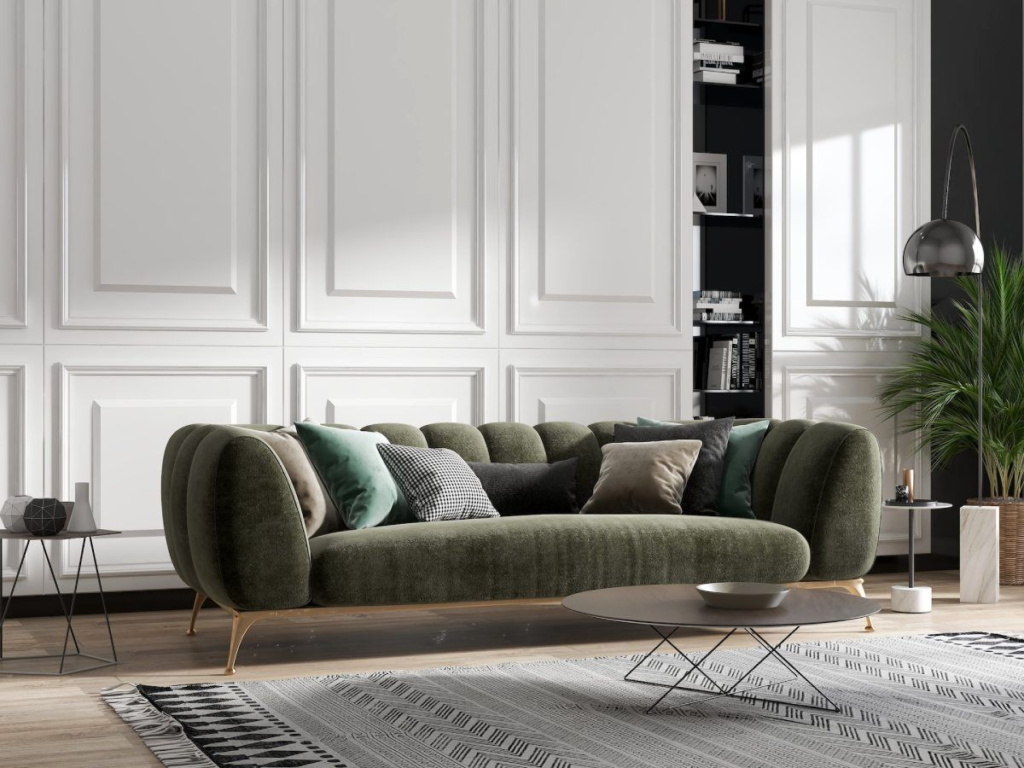
Have you ever walked into a freshly decorated room that was perfectly clean, yet somehow felt completely flat, cold, and dead? That usually happens because the space is completely starved of tactile texture.
Texture is the secret design weapon that creates visual weight, warmth, and depth. To fix a flat room, you want to purposefully mix completely different materials together. Stack a rough, chunky wool blanket over a smooth leather armchair, place a raw wooden coffee table on top of a soft jute rug, or accent a matte painted wall with shiny brass light fixtures. This beautiful contrast of rough and smooth, shiny and matte, soft and hard keeps your eyes moving happily around the room and injects an undeniable layer of soul into the space.
Popular Interior Design Styles
Finding your personal design direction can feel overwhelming with so many aesthetic movements floating around the internet. Let’s look at the core characteristics of the styles shaping our homes today:
| Design Style | Core Philosophy | Signature Materials | Ideal Vibe |
| Modern | Sleek lines, zero clutter | Polished chrome, glass, leather | Ultra-clean, organized, and sophisticated |
| Minimalist | Intentionality, less is more | Matte concrete, simple textiles | Total calm, zero visual distraction |
| Scandinavian | Cozy warmth meets utility | Light oak wood, sheepskin, linen | Bright, airy, and deeply comforting |
| Biophilic | Bringing the outdoors inside | Terracotta, living plants, raw stone | Fresh, grounding, and biologically restorative |
Modern Interior Design
Modern design remains an absolute powerhouse because it celebrates the beauty of structural simplicity and clean geometry. This style is deeply rooted in the idea that form must always follow function, meaning every single item in the room needs to earn its keep.
In a modern home, you will find expansive open-floor plans, unadorned windows that maximize view lines, and furniture with sleek, exposed legs that create an illusion of weightlessness. The color palettes are usually tightly controlled neutrals, accented by bold, singular pieces of modern abstract art. It is an aesthetic that champions breathtaking order, sophisticated restraint, and structural clarity, making it perfect for anyone who wants to escape the chaotic visual noise of modern city life.
Minimalist Interior Design
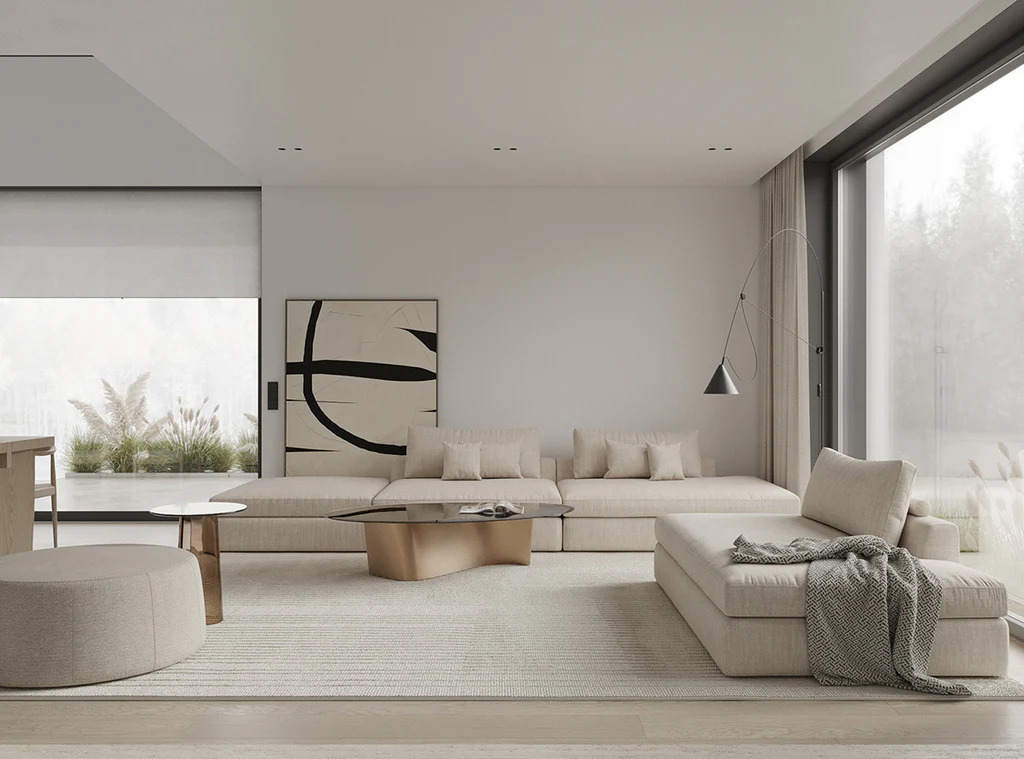
A minimalist interior strips a room down to its absolute bare essentials. There are no crowded shelves, busy wallpaper patterns, or useless knick-knacks collecting dust. Instead, every piece of furniture is chosen for its immense utility and flawless, clean lines. This style relies heavily on hidden storage systems to keep everyday clutter completely out of sight. The result is an incredibly peaceful, spacious environment that gives your eyes—and your busy mind—the rare freedom to truly rest and breathe.
Minimalism is far more than just a style of decorating; it is a beautiful, intentional lifestyle philosophy. It operates under the liberating belief that your life becomes significantly richer when you actively choose to surround yourself with less physical stuff.
Scandinavian Design
If you love the clean look of minimalism but are terrified that your home will end up feeling too cold or clinical, Scandinavian design is your perfect match. Originating from the long, dark winters of Northern Europe, this style is completely obsessed with maximizing indoor brightness, comfort, and cozy warmth.
Scandinavian spaces are dominated by soft, light-reflecting colors like pale grays, soft whites, and warm blushes. They utilize an abundance of light-toned natural woods like ash and pine to bring an instant organic warmth to the floors and walls. The true magic lies in the concept of hygge—layering thick knit blankets, plush linen pillows, and flickering candles to create an environment that feels like a giant, warm hug from the moment you step inside.
Home Decor and Accessories
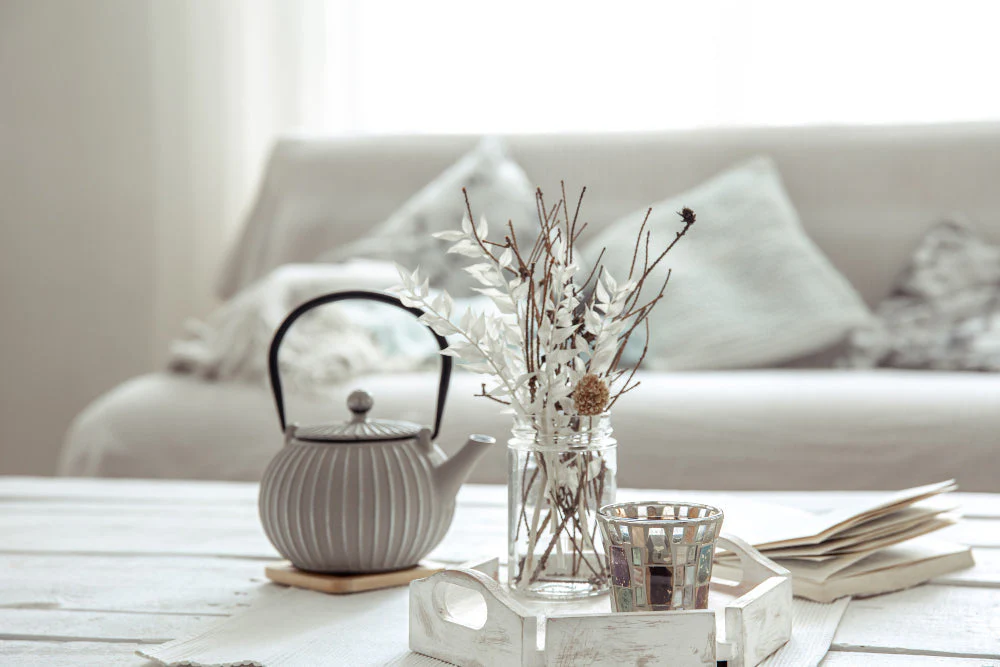
Think of home accessories as the jewelry of your room. Once your big furniture pieces are securely in place, accessories are what you use to inject your true personality and human character into the design.
The ultimate secret to accessorizing like a professional designer is curation. Avoid the urge to buy cheap, mass-produced decorative filler sets from big-box stores. Instead, fill your shelves with meaningful items that hold genuine personal stories—vintage books you’ve actually read, hand-thrown ceramic vases from a local artist, or framed travel photographs. Group your items in odd numbers (groups of three work like magic) and vary their heights to create an interesting, organic visual rhythm on your tabletops.
Indoor Plants and Natural Elements
One of the most beautiful and life-affirming movements in interior design right now is biophilic design—the practice of deliberately weaving nature into our indoor living spaces. Since we spend over ninety percent of our days cooped up inside, bringing the outdoors in is vital for our health.
Filling your rooms with hardy indoor plants like snake plants, pothos vines, or a majestic fiddle-leaf fig tree does wonders for your space. Plants introduce a vibrant, natural pop of color that no paint can ever replicate, while actively scrubbing your indoor air clean of toxins. Pairing your greenery with raw, earthy elements like organic stone coasters, woven rattan baskets, and unpolished wood shelves grounds your home, keeping you connected to the natural world.
Smart Storage Solutions
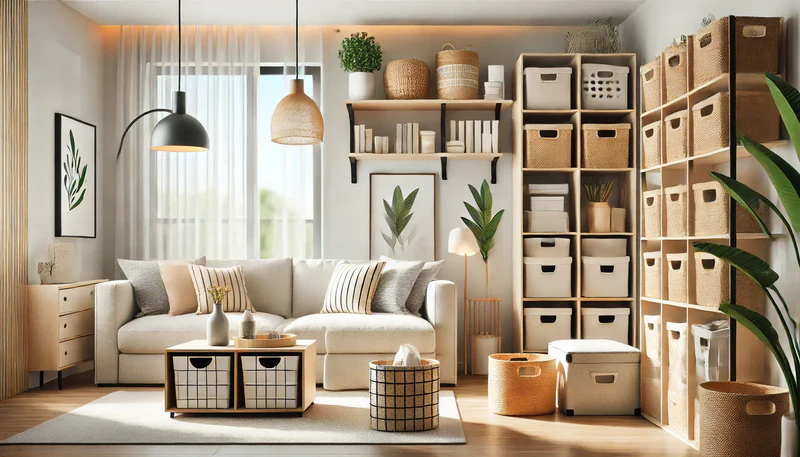
Let’s be completely real: you can have the most breathtaking interior design plan in the world, but it will be instantly ruined if your daily life is drowning in a mountain of loose papers, rogue charging cables, and scattered shoes. Smart storage is the unsung hero of home design.
To combat clutter without sacrificing your style, you need to invest heavily in multifunctional furniture with hidden storage compartments. Look for beautiful living room ottomans that open up to hide your winter blankets, bed frames equipped with deep pull-out drawers for extra clothing, and floating wooden shelves that utilize empty vertical wall space. When every single item in your home has a designated, hidden house of its own, maintaining a clean aesthetic becomes completely effortless.
Interior Design for Small Spaces
Living in a compact apartment or a home with tight rooms shouldn’t stop you from having an absolute design masterpiece. Designing for small spaces simply requires a bit of clever visual trickery and strategic planning.
[Small Cramped Room] ──► Floor-Length Mirrors + Lightweight Legs ──► Bright Open Space
The oldest and most effective designer trick in the book is the strategic placement of large, floor-length mirrors opposite your windows. This instantly bounces light deep into the dark corners and tricks your brain into thinking the room is twice its actual size. Additionally, choose furniture that stands on tall, slender legs rather than blocky bases sitting flat on the carpet. Seeing the floor continue underneath your chairs allows air and light to flow freely, making the entire room feel incredibly breezy and open.
Interior Design Trends in 2026
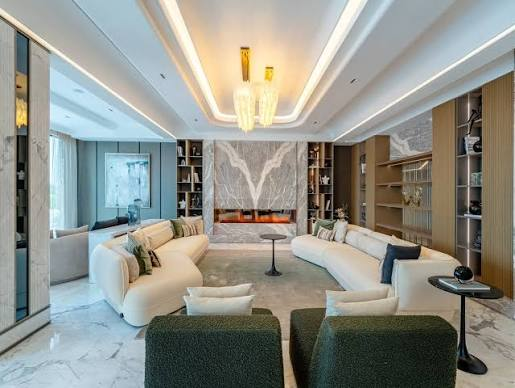
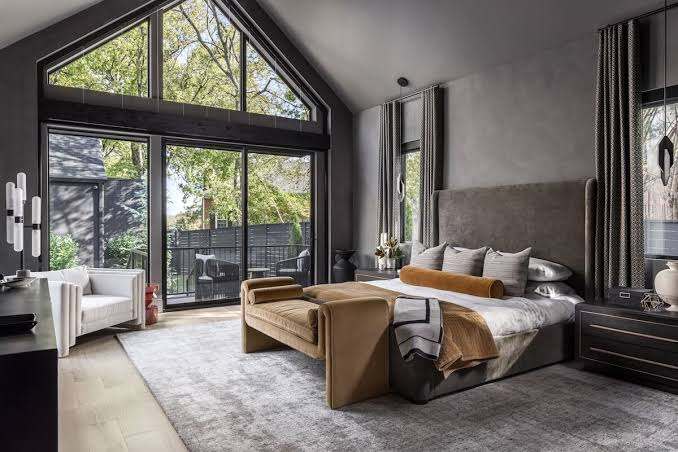
As we move through 2026, the interior design world has collectively rebelled against cold, hyper-industrial, and clinical spaces. We are currently experiencing a beautiful renaissance of warmth, sustainability, and soft organic movement.
Sharp, aggressive geometric corners are officially out, replaced by gorgeous curved sofas, arched doorways, and rounded coffee tables that mirror the soft lines found in nature. Earthy, rich color palettes featuring warm terracottas, soft sages, and creamy ochres are replacing boring, sterile grays. Homeowners are also embracing smart-home technology more seamlessly, hiding touch panels behind beautiful wooden paneling and installing smart ambient lighting systems that automatically adjust their warmth to match your body’s natural circadian rhythm.
Sustainable Interior Design
Sustainability is no longer just a trendy buzzword for eco-conscious homeowners—it has become a mandatory guiding principle for modern interior design. People are finally waking up to the environmental cost of cheap, disposable “fast furniture” that ends up in landfills after just two years of use.
Today, good design means prioritizing longevity, responsibly sourced materials, and circular design. This means investing your budget in solid wood furniture certified by sustainable forestry groups, choosing natural fabrics like organic linen, hemp, and jute over synthetic polyesters, and passionately hunting for unique vintage pieces at thrift markets. By choosing high-quality, durable materials that age beautifully over time, you create a home that is profoundly healthy for both your family and the planet.
Personal Style: The Ultimate Rule

At the absolute end of the day, you have to remember that you are building a home for yourself, not for a glossy interior design magazine or an Instagram feed. Trends come and go with the seasons, but your personal comfort is timeless.
Use design styles and trends purely as a source of creative inspiration, but always let your own daily needs and unique quirks dictate the final layout. If you absolutely love bright, chaotic colors and hate minimalism, embrace that passion fully. If you need a giant, messy crafting table right in the middle of your living room to feel happy, make it the focal point of the room. A home that feels genuinely authentic, cozy, and perfectly tailored to support your real human life will always be the most beautiful space you can ever create.
Frequently Asked Questions

Coupon Codes 2026: Best Promo Codes, Discounts & Deals
Online shopping has made it easier to find almost anything with a few clicks, but…

Compare Flight Prices in 2026: Find Cheap Flights & Best Deals
Booking a flight can feel surprisingly complicated. Two people searching for the same route can…

The Ultimate E-commerce Guide for Beginners in 2026
Guide to starting an online store Starting an online store can feel overwhelming when you…
Ultimate 2026 Laptop Buying Guide: Expert Reviews & Picks
Buying a laptop sounds easy until you start looking at the options. Suddenly, you’re comparing…

Best Price Comparison Tools to Save Money in 2026
Let’s be honest with ourselves for a second. How many times have you been staring…

Best Festive Discounts & Promotions to Watch in 2026
Let’s be completely honest about how festive shopping actually works. Every year, as soon as…