
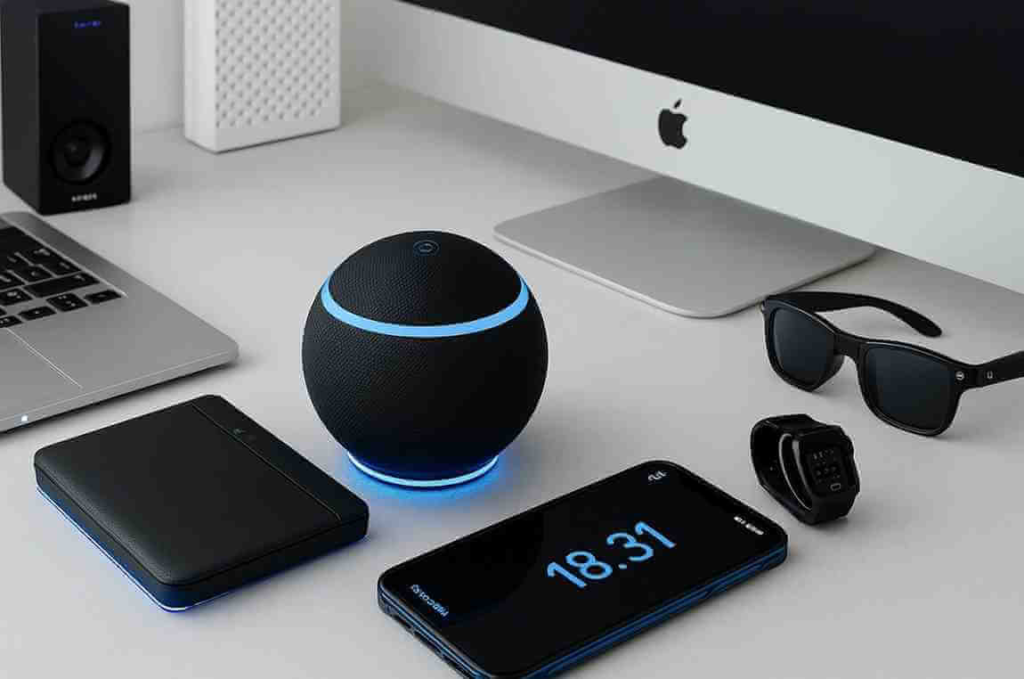
Let’s be completely real for a second. Walking into a tech store or scrolling through a tech blog in 2026 can feel like stepping onto the set of a science fiction movie. We open our feeds, and we are instantly hit with video clips of people wearing sleek, invisible augmented reality glasses, showing off phones that fold three times like piece of paper, or letting an artificial intelligence completely organize their entire work week while they sip coffee.
Meanwhile, you might be sitting at your desk with a tangled charging cable, a phone battery that dies at noon, and a smart speaker that doesn’t understand your voice half the time. It is incredibly easy to look at the hyper-paced world of modern technology and feel like you are falling behind, or worse, that you need to spend a fortune just to keep up.
But here is the honest truth about the tech landscape of 2026: the best innovations this year are not the most expensive, flashy, or over-hyped ones. The real winners are the quiet, functional gadgets that seamlessly slot into your actual, everyday life to solve real problems. We are moving away from the era of technology being a loud, distracting gimmick.
Today, it is all about radical convenience. The smartest devices on the market right now are designed to sit in the background, working together to save you time, protect your health, and cut down on the daily friction of a digital world. Whether you want to upgrade your home office, take control of your physical fitness, or simplify your household chores, this year’s breakthrough tech has something genuine to offer. Let’s strip away the corporate marketing jargon and look at the actual must-have innovations changing how we live.
The Evolution of the Modern Smartphone
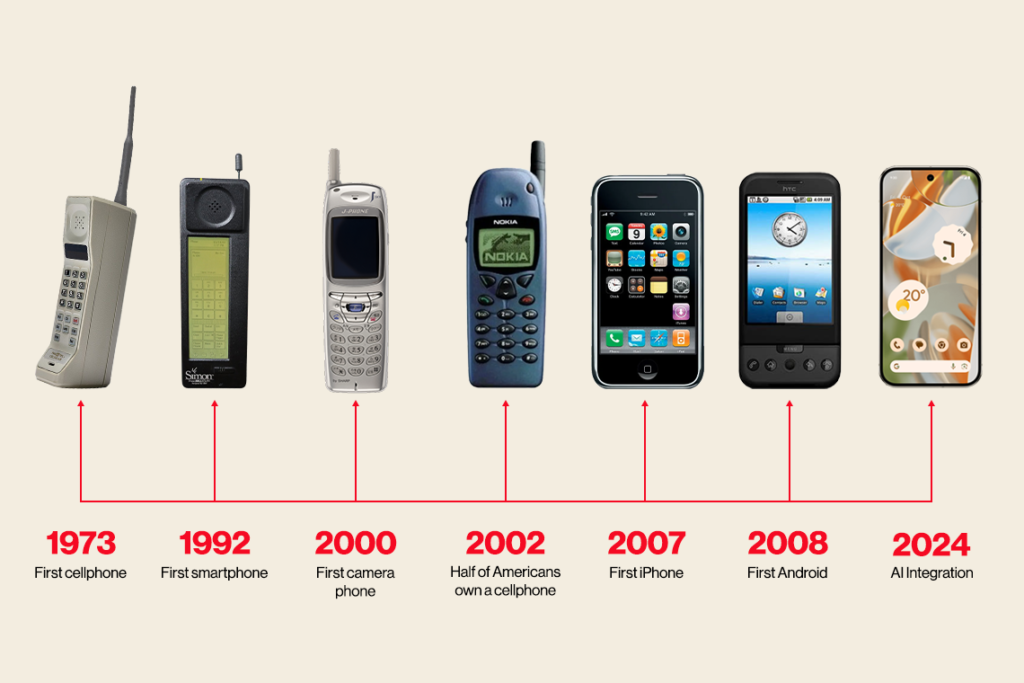
We have all heard the complaints that smartphone design has plateaued over the last few years. For a while, every new release just felt like a slightly faster chip and an extra camera lens slapped onto the back. However, 2026 has completely shattered that stagnation by taking on-device artificial intelligence and flexible hardware to a level that feels deeply practical.
The current generation of foldable and tri-fold displays has evolved from fragile, expensive novelties into incredibly durable, mainstream productivity powerhouses. These devices allow you to carry a compact, pocket-sized phone during your morning commute, and then fold it out into a full-sized tablet when you need to edit a document, watch a video, or multitask with three apps open at once.
But the real magic lies beneath the glass. Phones now feature dedicated neural processing units that handle complex tasks locally without needing an internet connection. Your phone is no longer just a passive screen; it is a proactive assistant. It can automatically summarize long work emails, live-translate an in-person conversation in real time, and intelligently edit photobombers out of your pictures instantly. Battery chemistry has also taken a massive leap forward, meaning these bright, massive screens can easily blast through two full days of heavy usage on a single charge.
Wearable Tech and Advanced Biometric Tracking
There was a time when a fitness tracker was just a glorified pedometer that counted your steps and gave you a little digital badge when you walked around the block. Today, wearable technology has transformed into a highly sophisticated, preventative medical suite that sits comfortably on your wrist or finger.
The big breakout trend of the year is the rise of the ultra-minimalist smart ring. For people who hate the distraction of a glowing smartwatch screen or find a watch too bulky to sleep in, these sleek titanium rings are a game-changer. They pack microscopic sensors that continuously monitor your heart rate variability, blood oxygen levels, skin temperature, and daily stress metrics.
Instead of just dumping a wall of confusing raw numbers onto your screen, modern wearable apps use advanced algorithms to translate that biometric data into actionable lifestyle advice. Your tracker can look at your poor sleep quality from the night before and explicitly warn you that your body is running on fumes, suggesting you skip a high-intensity workout in favor of a recovery walk. By giving us a clear, real-time map of our internal health, these subtle gadgets are helping people catch burnout, fatigue, and illness before they ever slow them down.
Smart Home Ecosystems That Finally Work Together

If you tried to build a smart home a few years ago, you probably remember the absolute nightmare of trying to get different brands to talk to each other. You needed one app for your lightbulbs, another for your security cameras, and a third for your thermostat, and the whole system would collapse the moment your Wi-Fi flickered.
In 2026, the universal adoption of open-source connection standards like Matter has completely fixed this fractured mess. Now, setting up an intelligent home is a seamless, plug-and-play experience. Devices from entirely different manufacturers connect instantly, creating a cohesive ecosystem that runs locally inside your house rather than relying on slow, vulnerable cloud servers.
[Traditional Smart Home] ──► Fragmented Apps ──► Cloud Dependent ──► High Friction
│
(Unified by Matter Standard)
│
▼
[2026 Smart Ecosystem] ──► Single Control ──► Local Network ──► Zero Latency
The true beauty of a modern smart home is ambient automation. You don’t have to constantly scream commands at a voice assistant anymore. Instead, invisible sensors handle the heavy lifting. Your smart lighting system subtly shifts its color temperature throughout the day, mimicking the natural rhythm of the sun to keep your energy up during the afternoon and help your brain wind down at night. Meanwhile, intelligent thermostats track your daily movement patterns, automatically lowering the temperature when you leave a room to shave significant amounts of money off your monthly utility bills.
Generative AI Integration and Personal Copilots

It is impossible to talk about the tech landscape without addressing the elephant in the room: artificial intelligence. We have officially transitioned out of the phase where AI was just a funny chatbot you used to write goofy poems or generate weird images. This year, AI has been baked directly into the physical hardware of our daily gadgets, turning them into true personal copilots.
From smart laptops to standalone productivity pins, AI interfaces are becoming entirely voice- and gesture-driven. They learn your unique personal preferences, your specific writing tone, and your daily workflow patterns to eliminate tedious digital friction.
Imagine sitting down at your desk in the morning, and your AI-powered operating system has already categorized your messy inbox, drafted replies to your routine messages, and highlighted the three most critical tasks that require your immediate attention. In the creative space, cameras and microphones now use real-time AI processing to instantly remove background wind noise from an outdoor video recording or automatically balance tricky lighting conditions. Instead of forcing you to spend hours learning complicated editing software, the technology adapts to your intent, letting you focus entirely on the human element of your work.
The Wireless Audio Revolution
Wireless earbuds have become an absolute staple of modern life. We wear them on our commutes, during intense workouts, and throughout long blocks of back-to-back virtual meetings. The audio innovations of 2026 have focused heavily on making these tiny devices more comfortable, better-sounding, and incredibly smart.
The biggest technical breakthrough of the year is lossless ultra-wideband audio streaming. For the longest time, Bluetooth wireless connections had to heavily compress your music files, sacrificing sound quality for the sake of convenience. Now, new wireless protocols allow high-resolution, studio-quality sound to stream directly into your ears with absolutely zero lag.
[Studio-Quality Audio] + [Adaptive ANC Processing] + [Seamless Device Multiplexing]
│
▼
[Immersive Audio Experience]
(Zero latency, true high-fidelity sound)
Active Noise Cancellation (ANC) has also transformed into an adaptive experience. Instead of just blocking out all sound in a rigid, blanket fashion, modern earbuds use external microphones to read your environment hundreds of times per second. They will completely mute the harsh, low rumble of an airplane engine or city traffic, but instantly pass through the specific sound of an emergency siren or someone speaking directly to you. Combined with seamless multipoint switching, your earbuds can effortlessly jump from a movie on your laptop to an incoming call on your phone without you ever tapping a single button.
Portable Productivity Tools for the Flexible Workforce

The traditional concept of sitting in a rigid corporate cubicle from nine to five is fading fast. With remote, hybrid, and freelance workstyles becoming the permanent norm, there has been a massive surge in demand for portable productivity hardware that lets you build a professional workspace anywhere in the world.
The ultimate workflow cheat code right now is the ultra-thin portable monitor. These feather-light, secondary screens clip magnetically onto the side of your laptop or sit flat on a coffee shop table, connecting with a single USB-C cable. Instantly, you have a dual-screen desktop layout inside your backpack.
Pair that with a foldable mechanical keyboard and a pocket-sized, multi-device wireless charging station, and you can transform a tiny airplane tray table or a hotel desk into a high-efficiency workstation in less than thirty seconds. These gadgets are all about eliminating the physical boundaries of work, giving professionals the absolute freedom to stay organized, focused, and efficient without being anchored to a single desk.
Immersive Gaming and Extended Reality
Gaming hardware has exploded far beyond the confines of a traditional plastic console sitting under your television set. In 2026, the gaming universe is defined by unprecedented portability and jaw-dropping graphical immersion.
The market for handheld gaming PCs has completely matured. These ergonomic, portable devices pack the immense graphical processing power of a high-end desktop computer into a chassis the size of a classic handheld console. You can play massive, visually stunning open-world games natively while sitting on a train or relaxing in bed, featuring crisp frame rates and vibrant OLED displays.
[Traditional Gaming Console] ──► Fixed Location ──► TV Dependent ──► Static Experience
│
(Evolved into Handheld PCs)
│
▼
[Modern Handheld PC] ──► Play Anywhere ──► Native Power ──► Immersive Display
Simultaneously, Extended Reality (XR) headsets have shed their bulky, heavy designs. The latest headsets look and feel closer to a premium pair of sunglasses. They use advanced micro-displays to project high-definition virtual screens directly into your field of vision, blending digital elements with the physical room around you. Whether you are using it to play an immersive game, watch a movie on a virtual hundred-inch screen, or expand your laptop into multiple floating work monitors, this technology is completely redefining how we interact with digital media.
The Crucial Shift Toward Eco-Friendly Technology

With the rapid acceleration of technology, electronic waste has become a severe environmental crisis. Thankfully, 2026 marks a massive, industry-wide turning point where sustainability is no longer treated as an afterthought or a marketing buzzword—it is being engineered directly into the core of our devices.
Leading consumer technology companies are heavily prioritizing modular design philosophies. This means modern gadgets are intentionally built to be easily opened, repaired, and upgraded by the consumer, rather than forcing you to throw the entire device away the moment a single component breaks.
We are seeing smartphones and laptops constructed with 100% recycled aluminum housings, internal circuit boards utilizing responsibly sourced rare-earth minerals, and biodegradable packaging. Furthermore, solar-harvesting technology has advanced to the point where wireless keyboards, TV remotes, and outdoor security cameras can continuously charge themselves using basic indoor ambient light, completely eliminating the need for disposable alkaline batteries. Choosing eco-friendly tech is no longer about compromising on performance; it is about investing in smart longevity.
Crucial Gadget Innovations at a Glance
| Tech Category | Primary Daily Benefit | Standout Feature to Look For |
| Foldable Smartphones | Massive screen real estate that still fits in a pocket. | Durable hinges and localized, secure AI processing units. |
| Smart Health Rings | Seamless, invisible health tracking without screen distraction. | Continuous heart rate variability and deep sleep stage coaching. |
| Unified Smart Home | Zero-hassle home automation that saves time and energy. | Full compatibility with the open-source Matter standard. |
| Lossless Earbuds | True studio-quality sound with zero audio compression. | Environment-aware, highly adaptive noise cancellation. |
| Portable Monitors | The ability to build a dual-screen office anywhere. | Single-cable USB-C power delivery and ultra-thin profiles. |
The Real Golden Rule of Tech: A gadget is only truly innovative if it serves your life, not the other way around. The best technology shouldn’t demand your constant attention—it should quietly give you your time back.