
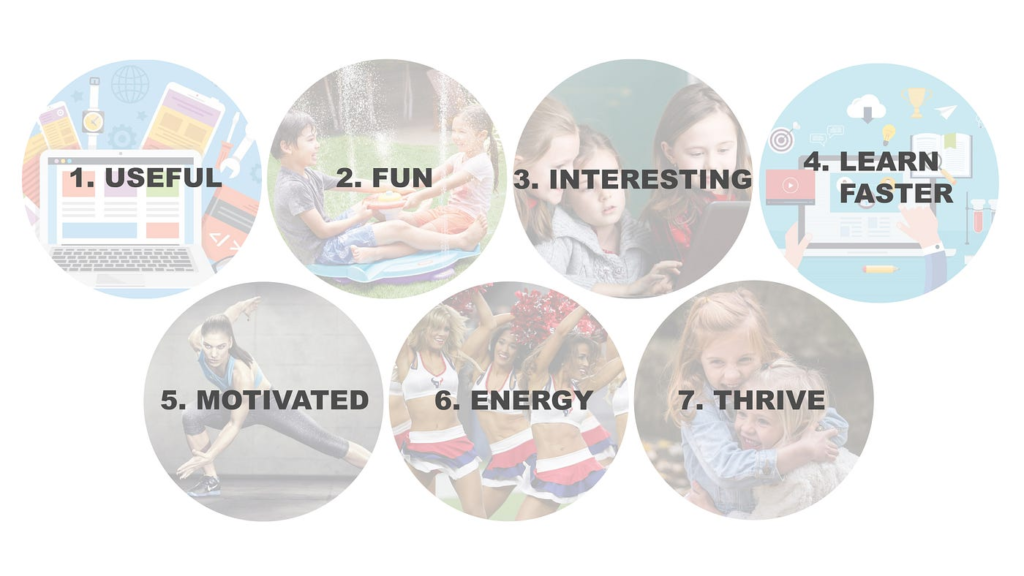
Learning new skills has become more important than ever in today’s fast-changing world. Whether you want to advance your career, start a business, improve your creativity, or simply challenge yourself, developing new abilities can open countless opportunities. In 2026, access to online courses, educational apps, and digital resources has made learning easier than ever before. However, many beginners struggle because they don’t know how to learn efficiently.
The good news is that learning is a skill in itself. By using the right techniques, setting clear goals, and practicing consistently, anyone can learn faster and retain information for longer. This guide will help you understand the most effective strategies for mastering new skills while staying motivated throughout your learning journey.
Why Learning New Skills Matters
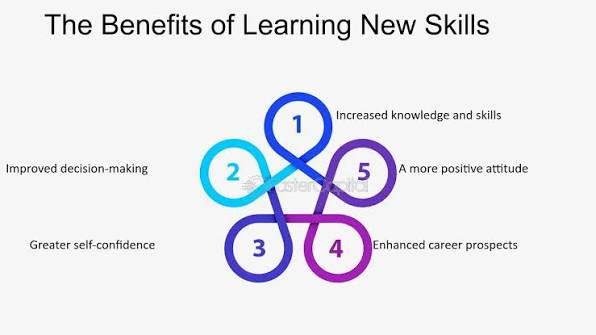
Continuous learning helps you stay competitive in both your personal and professional life. Technology, industries, and workplaces are constantly evolving, making it essential to update your knowledge regularly. Learning new skills also boosts confidence, improves problem-solving abilities, and encourages creativity.
Beyond career growth, acquiring new skills allows you to explore hobbies, communicate more effectively, manage finances better, or even improve your health and lifestyle. Every new skill adds value to your life and expands your opportunities for future success.
Choose One Skill at a Time
One of the biggest mistakes beginners make is trying to learn multiple skills simultaneously. While it may seem productive, dividing your attention often slows progress and creates unnecessary confusion.
Instead, focus on mastering one skill before moving to another. Whether it’s coding, graphic design, photography, cooking, or public speaking, giving your full attention to one subject allows you to build a strong foundation and achieve noticeable progress more quickly.
Set Clear Learning Goals
Having a clear objective gives your learning direction and purpose. Rather than saying, “I want to learn graphic design,” create a specific goal such as, “I want to design professional social media graphics within three months.”
Breaking large goals into smaller weekly milestones makes them easier to achieve. Each completed milestone builds confidence and keeps you motivated to continue learning.
Create a Consistent Learning Routine
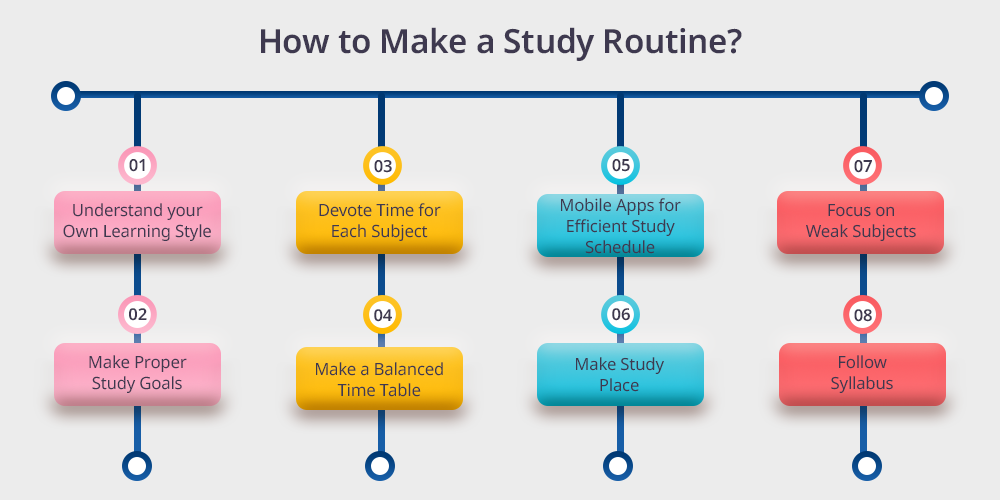
Consistency is one of the most important factors in learning new skills. Studying for 30 to 60 minutes every day is often more effective than spending several hours once a week.
Choose a time when you can focus without distractions and make learning part of your daily routine. Over time, regular practice becomes a habit, making it easier to stay committed.
Use Different Learning Methods
Everyone learns differently, so combining multiple learning methods can improve understanding and retention. Reading books, watching video tutorials, listening to podcasts, taking online courses, and participating in workshops all provide unique perspectives.
Practical application is equally important. For example, if you’re learning programming, writing code every day is far more effective than simply watching tutorials. Active learning helps reinforce knowledge and builds confidence.
Practice Deliberately
Practice alone does not guarantee improvement. Deliberate practice means focusing on specific areas that need improvement, receiving feedback, and making continuous adjustments.
If you’re learning photography, practice different lighting techniques instead of repeatedly taking similar photos. If you’re studying a language, focus on pronunciation, vocabulary, and conversation separately. Targeted practice accelerates progress and develops stronger skills.
Learn From Experts

Learning from experienced professionals can significantly shorten your learning curve. Books, online courses, webinars, podcasts, and mentorship programs provide valuable insights that help you avoid common mistakes.
Follow industry experts, join educational communities, and participate in discussions to gain practical advice and stay updated with the latest trends in your chosen field.
Apply What You Learn
Knowledge becomes valuable only when it is applied. After learning a new concept, look for opportunities to use it in real-world situations. Applying your knowledge helps reinforce memory and builds practical experience.
For example, if you’re learning digital marketing, create your own website or social media campaign. If you’re learning cooking, prepare meals regularly using newly learned techniques. Practical experience develops confidence and improves long-term retention.
Stay Motivated During the Learning Process
Learning something new can sometimes feel overwhelming, especially when progress seems slow. Staying motivated requires celebrating small achievements and remembering why you started.
Track your progress, reward yourself after reaching milestones, and avoid comparing yourself to others. Every learner progresses at a different pace, and consistency matters more than perfection.
Overcome Common Learning Challenges

Every learner faces obstacles such as procrastination, lack of confidence, distractions, or fear of making mistakes. The key is to recognize these challenges early and develop strategies to overcome them.
Create a distraction-free study environment, limit social media during learning sessions, ask questions when you’re stuck, and treat mistakes as opportunities to improve. A positive mindset makes learning more enjoyable and productive.
Use Technology to Learn Faster
Technology has transformed education by providing unlimited access to learning resources. Online learning platforms, mobile apps, AI-powered tutors, educational videos, and interactive quizzes make studying more engaging and personalized.
Digital tools can also help you organize notes, schedule study sessions, track progress, and collaborate with other learners. Choosing the right technology can significantly improve your learning experience.
Build Long-Term Learning Habits
Successful learners never stop improving. Once you’ve mastered one skill, continue exploring new areas of interest to keep your mind active and adaptable.
Reading regularly, attending workshops, participating in professional communities, and practicing lifelong learning ensure that your knowledge remains relevant in a constantly changing world. Developing a growth mindset allows you to embrace challenges and continuously expand your abilities.
Develop a Growth Mindset
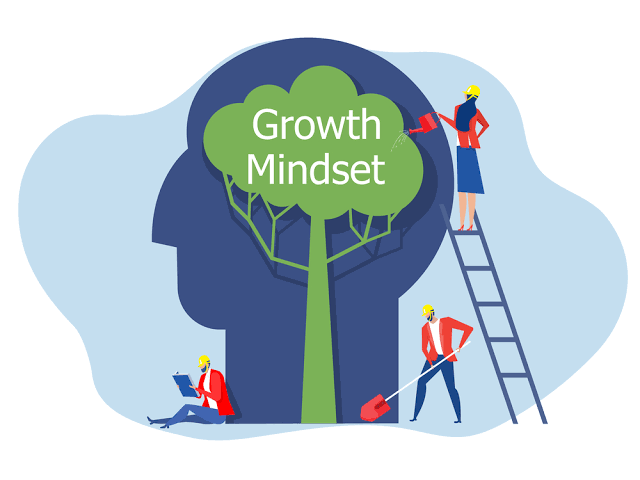
One of the most important factors in learning new skills is having a growth mindset. A growth mindset is the belief that abilities and intelligence can improve through effort, practice, and persistence. Instead of becoming discouraged by mistakes, successful learners see challenges as opportunities to improve. Every mistake teaches a valuable lesson and helps build confidence over time.
Developing this mindset requires patience and self-belief. Rather than expecting instant results, focus on making small improvements every day. Celebrate your progress, no matter how small, and remember that consistent effort is what leads to long-term success. The more you embrace learning as a lifelong journey, the easier it becomes to overcome obstacles.