

Online shopping has become a part of everyday life, offering convenience, competitive prices, and access to products from around the world. Whether you’re buying electronics, clothing, groceries, or home essentials, shopping online allows you to compare products and make purchases without leaving your home. However, as online shopping continues to grow, so do cyber threats, fake websites, and online scams.
Learning how to shop online safely is essential for protecting your personal information, avoiding fraudulent sellers, and making smarter purchasing decisions. By following the right strategies, you can enjoy a secure shopping experience while saving both time and money.
Why Online Shopping Safety Matters in 2026

Millions of people shop online every day, making e-commerce one of the fastest-growing industries. Unfortunately, cybercriminals target online shoppers through fake websites, phishing emails, counterfeit products, and payment fraud.
Taking simple precautions can significantly reduce these risks and help you shop with confidence.
Benefits of Safe Online Shopping
Protects Personal Information
Secure shopping practices help keep your personal details, passwords, and payment information safe from hackers.
Prevents Financial Fraud
Shopping from trusted websites reduces the chances of payment fraud, identity theft, and unauthorised transactions.
Improves Shopping Confidence
Knowing how to identify trustworthy sellers allows you to purchase products without unnecessary concerns.
Choose Trusted Online Shopping Websites
The first step to safe online shopping is selecting reliable websites.
Shop from Reputable Retailers
Established online stores usually provide secure payment systems, verified customer reviews, and clear return policies.
Verify Website Security
Always check that the website uses HTTPS before entering payment information. A secure connection protects your personal data during transactions.
Check Contact Information
Reliable online stores provide customer support details, business addresses, and return policies that are easy to find.
Compare Prices Before Buying

Comparing prices helps you find the best value without falling for unrealistic offers.
Use Price Comparison Tools
Price comparison websites allow shoppers to compare multiple retailers before making a purchase.
Be Careful with Extremely Low Prices
If a product is significantly cheaper than everywhere else, it could be counterfeit or part of an online scam.
Consider Total Costs
Always check shipping charges, taxes, and delivery fees before completing your purchase.
Read Product Reviews Carefully
Customer reviews provide valuable insights into product quality and seller reliability.
Look for Verified Reviews
Verified purchases are generally more reliable than anonymous reviews.
Read Both Positive and Negative Feedback
Balanced reviews help you understand both the advantages and possible issues with a product.
Check Recent Reviews
Recent reviews give a better indication of current product quality and customer service.
Use Secure Payment Methods
Safe payment methods reduce financial risks during online shopping.
Pay with Trusted Payment Services
Credit cards, digital wallets, and secure payment platforms often provide additional buyer protection.
Avoid Direct Bank Transfers
Sending money directly to unknown sellers offers little protection if something goes wrong.
Enable Two-Factor Authentication
Adding an extra security step makes your payment accounts more difficult for hackers to access.
Watch Out for Online Shopping Scams

Scammers continue developing new techniques to target online buyers.
Fake Shopping Websites
Fraudulent websites often imitate popular brands to steal payment information.
Phishing Emails
Avoid clicking suspicious email links that claim to offer discounts or request account verification.
Fake Customer Support
Only contact customer service using information provided on the retailer’s official website.
Protect Your Personal Information
Sharing unnecessary personal information increases security risks.
Create Strong Passwords
Use unique passwords for shopping accounts and avoid using the same password across multiple websites.
Update Passwords Regularly
Changing passwords periodically improves account security.
Avoid Public Wi-Fi
Public wireless networks are less secure and may expose your financial information during online transactions.
Understand Return and Refund Policies
Reading store policies before buying helps prevent future disputes.
Review Return Conditions
Understand the return window, refund process, and any associated costs before making a purchase.
Check Warranty Information
For electronics and expensive products, verify warranty coverage and after-sales support.
Save Order Confirmation
Keep receipts, invoices, and confirmation emails until your order has been successfully delivered and accepted.
Take Advantage of Smart Shopping Tools
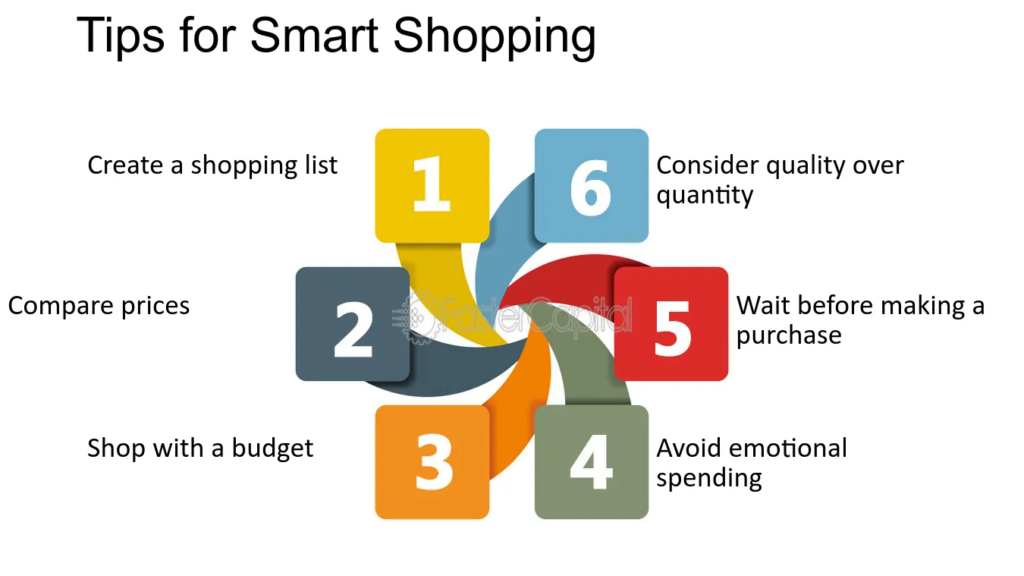
Technology can help shoppers make better purchasing decisions.
Cashback Platforms
Cashback websites reward shoppers by returning a percentage of their spending.
Coupon Extensions
Browser extensions automatically search for discount codes before checkout.
Price History Trackers
Price tracking tools show whether a product is currently discounted or if waiting could result in a better deal.
Avoid Common Online Shopping Mistakes
Many shopping problems can be avoided with a little extra attention.
Buying Without Research
Always compare products, prices, and seller ratings before placing an order.
Ignoring Product Details
Read descriptions carefully to ensure the product meets your expectations.
Shopping Too Quickly
Avoid making impulsive purchases during flash sales or limited-time promotions without proper research.
Future of Safe Online Shopping
Online shopping continues to become more secure through new technologies.
AI Fraud Detection
Artificial intelligence helps retailers identify suspicious transactions and prevent fraudulent purchases.
Biometric Authentication
Fingerprint and facial recognition are improving account security and simplifying payment verification.
Smarter Shopping Experiences
Future online shopping platforms will use AI to recommend products, detect fake reviews, and improve customer safety.