

Smartphones have become an important part of everyday life. We use them to work, study, communicate, shop, watch videos, check social media, navigate unfamiliar places, and even relax at the end of a busy day. The problem is that something designed to make life easier can gradually become a source of constant distraction.
In 2026, digital detox is becoming less about completely abandoning technology and more about learning how to use it intentionally. A digital detox means taking deliberate steps to reduce unnecessary screen time, especially time spent scrolling through social media, watching endless short videos, gaming, or checking notifications repeatedly.
You do not necessarily need to throw away your smartphone or switch to a basic phone. In many cases, small changes to your daily routine can make a noticeable difference. Research shared by psychologist Kostadin Kushlev and his collaborators suggests that reducing internet access on smartphones can improve several aspects of well-being, attention, and mental health.
The goal is not to make technology the enemy. Instead, it is to make sure your phone works for you rather than controlling your attention.
What Is a Digital Detox?
A digital detox is a period or routine in which you intentionally reduce your use of digital devices, particularly activities that encourage endless consumption. This can include limiting social media, turning off unnecessary notifications, restricting certain apps, or creating phone-free periods during the day.
Digital detox does not have to mean going completely offline. For someone who needs a smartphone for work, communication, or navigation, a complete technology break may be unrealistic.
A more practical approach is targeted digital reduction. You identify the activities that consume the most unnecessary time and gradually create boundaries around them.
For example, you might decide not to check social media for the first hour after waking up, keep your phone away while eating, or stop using entertainment apps after a certain time at night.
Why Is Digital Detox Trending in 2026?
The growing interest in digital detox reflects a simple problem: people are spending more of their attention online. Smartphones provide an endless stream of notifications, messages, videos, recommendations, games, and social updates.
Even when you are not actively using your phone, you may find yourself thinking about checking it. A notification appears, you pick up the device, and suddenly several minutes disappear.
This constant stimulation can make it harder to focus on slower activities such as reading, exercising, having conversations, working on hobbies, or simply sitting without entertainment.
That is why digital wellness has become an important lifestyle conversation in 2026. People are looking for ways to stay connected without being constantly distracted.
What Research Says About Digital Detox
A study led by Kushlev and colleagues explored what happened when people significantly reduced smartphone internet access for two weeks. Nearly 500 participants were recruited, and the researchers used software to restrict internet access while allowing basic phone functions such as calls and texts.
The participants initially averaged around five hours of smartphone screen time per day. Those who successfully followed the restrictions reduced their screen use substantially, reaching roughly half of their previous usage.
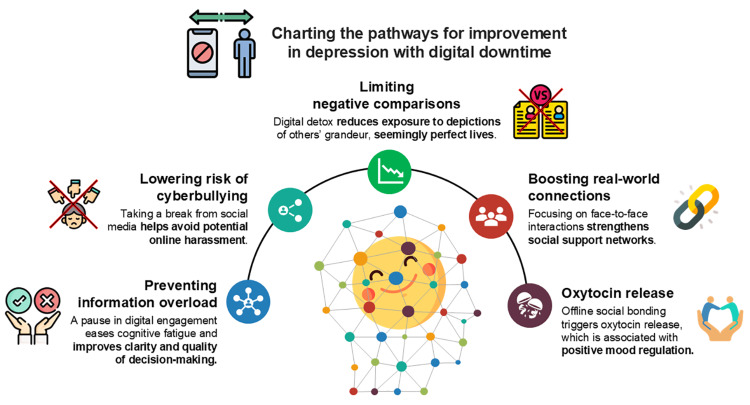
The research reported improvements across several measures related to well-being, anxiety, depression symptoms, and attention. Participants also reported getting approximately 20 additional minutes of sleep per night during the intervention.
One particularly interesting finding involved sustained attention. After the intervention, participants performed better on a computer-based attention task, suggesting that reducing constant smartphone stimulation may help people regain some ability to concentrate.
However, the research should not be interpreted as proof that digital detox is a replacement for professional mental health treatment. Instead, it provides evidence that reducing excessive smartphone use may be a useful lifestyle habit for many people.
You Do Not Need to Quit Your Phone Completely
One of the most useful lessons from digital-detox research is that moderation can be more realistic than complete avoidance.
Only a portion of the study participants successfully followed the strict two-week restriction, yet many participants still experienced improvements in at least one major area of well-being, attention, or mental health.
This matters because completely abandoning smartphones is difficult for most people. Modern phones are used for banking, work, school, transportation, communication, appointments, photography, and emergencies.
Instead of asking, “How can I stop using my phone?” ask yourself, “Which parts of my phone use are actually wasting my time?”
That change in mindset can make digital detox much easier.
15 Simple Ways to Start a Digital Detox in 2026

1. Check Your Screen Time First
Before changing your habits, find out how much time you actually spend on your phone. Both Android and iPhone devices provide screen-time information.
Look at your daily average and identify the apps consuming the most time. You may discover that a few apps are responsible for most of your unnecessary screen time.
Once you know where the problem is, you can create a more realistic plan.
2. Turn Off Unnecessary Notifications
Every notification creates an opportunity for distraction. You do not need alerts for every social-media interaction, promotional message, or app update.
Keep notifications for important communication and essential services, and silence the rest. Fewer interruptions can make it easier to concentrate on work and conversations.
3. Create a Phone-Free Morning
Many people reach for their phone within minutes of waking up. Starting the day with social media can immediately fill your mind with messages, news, advertisements, and other people’s activities.
Try keeping your phone away for the first 30 to 60 minutes of the morning. Use that time to get ready, exercise, have breakfast, journal, or simply enjoy a quiet start.
4. Keep Your Phone Away During Meals

Eating while scrolling has become a common habit. Instead, make meals an opportunity to disconnect from your screen and reconnect with people around you.
Put your phone in another room or leave it inside your bag while eating.
5. Set Realistic App Limits
If you spend two hours a day on a particular social platform, immediately trying to reduce that to ten minutes may not be realistic.
A better strategy is to cut your current usage significantly and gradually reduce it further. Start with an achievable limit and adjust it as your habits improve.
6. Charge Your Phone Outside the Bedroom
Keeping your phone next to your bed makes late-night scrolling extremely easy. You may intend to check one message and end up watching videos for another hour.
Charging your phone outside the bedroom can create a simple physical barrier between you and unnecessary nighttime screen use.
7. Replace Scrolling With Something Specific
Removing an activity without replacing it can make your detox difficult. When you feel the urge to scroll, have an alternative ready.
Read a few pages of a book, take a short walk, stretch, listen to music, cook something, or talk with someone. The goal is to replace passive screen time with meaningful activities.
8. Make Social Media Less Convenient
Move distracting social-media apps away from your home screen or log out after using them.
Even a few extra steps can interrupt the automatic habit of opening an app whenever you feel bored.
9. Create Phone-Free Work Sessions

During important work or study sessions, place your phone somewhere you cannot easily reach it.
Try working for 25 to 50 minutes without checking your phone, followed by a short break. This can help you protect your attention from constant interruptions.
10. Stop Using Your Phone as a Boredom Solution
Waiting in line, sitting on public transport, or having a few free minutes does not always require entertainment.
Allow yourself to experience small moments of boredom. Your brain does not need constant stimulation.
You may find that ideas, observations, and creativity appear when you stop filling every quiet moment with a screen.
11. Avoid Replacing One App With Another
Deleting TikTok only to spend the same amount of time watching YouTube Shorts may not solve the underlying problem.
The goal is not simply to change the app you use. It is to reduce the overall amount of unnecessary digital stimulation.
12. Schedule Specific Social-Media Times
Instead of checking social media throughout the day, choose specific times to use it.
For example, you might check your accounts during lunch and once in the evening. Creating defined windows can prevent constant checking from becoming an automatic habit.
13. Try a Weekend Digital Detox

If a complete two-week detox sounds difficult, start with a few hours or one day.
Choose a weekend afternoon when you can keep your phone away and spend time outdoors, with family, or on a hobby.
Short experiments can help you discover how much technology you actually need.
14. Keep Important Apps, Remove Distracting Ones
A digital detox does not require removing everything useful from your smartphone.
Keep apps that support your work, communication, health, travel, or daily responsibilities. Consider removing or restricting apps that consistently encourage mindless scrolling and repetitive checking.
15. Review Your Progress Every Week
Digital detox is not a one-time challenge. Your habits can easily return if you stop paying attention.
Once a week, check your screen-time report and ask yourself what changed. Celebrate improvements, identify problem areas, and make small adjustments.
The objective is to create a healthier long-term relationship with technology, not to achieve a perfect screen-time number.
Signs You May Need a Digital Detox
You may benefit from changing your smartphone habits if you frequently check your phone without a specific reason, lose track of time while scrolling, use your phone during conversations, or struggle to focus without checking notifications.
Other warning signs include reaching for your phone immediately after waking up, using it late into the night, feeling uncomfortable when you cannot access it, or repeatedly choosing your phone over hobbies and face-to-face activities.
These behaviors do not automatically mean you have a serious problem. They simply indicate that your phone habits may deserve more attention.
The Real Goal Is Digital Balance

Technology itself is not the problem. Smartphones can help people communicate, learn new skills, manage businesses, access information, stay organized, and maintain relationships.
The problem begins when digital activities consume attention that you would rather spend somewhere else.
A successful digital detox is therefore not about becoming completely disconnected. It is about making conscious decisions about where your attention goes.
If social media helps you stay connected with friends, use it intentionally. If your phone helps you learn, work, or create, keep using it. But if you open an app automatically every time you have a free moment, that is a habit worth examining.