
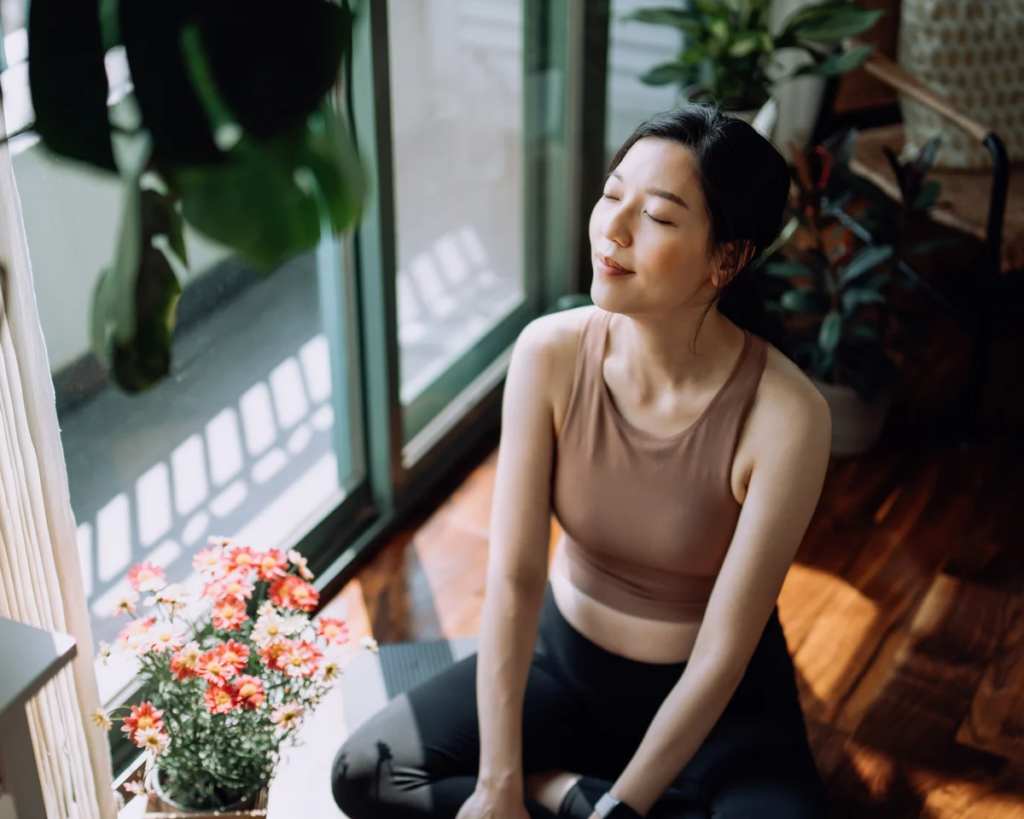
Let’s be honest for a second. How did you start your morning today? If you’re like 90% of us, your alarm went off, you reached over, and within ten seconds you were staring at a brightly lit screen. Before you even got out of bed, your brain was already processing news updates, unread emails, group chat banter, and a dozen random social media posts.
By the time 3:00 PM rolls around, you feel like you’ve run a mental marathon, even if you’ve been sitting at a desk all day. We are constantly reachable, constantly plugged in, and constantly rushing to the next thing. That’s why slow living isn’t just some trendy hashtag—it’s actually a survival strategy for your sanity.
What “Slow Living” Really Means (No, You Don’t Have to Move to a Farm)

When people hear “slow living,” they usually picture someone quitting their corporate job, making their own candles, and living in a tiny wooden cabin in the woods. That sounds lovely, but let’s be real: most of us have bills to pay, jobs to keep, and families to care for.
Slow living isn’t about throwing your smartphone in the trash or doing everything at a snail’s pace. It’s simply about being intentional with your time. It means deciding you control your day, rather than letting notifications, urgent emails, and endless scrolling control you.
- Fast Living: Gulping down lunch while typing an email, checking Instagram during red lights, and feeling guilty whenever you aren’t being “productive.”
- Slow Living: Actually tasting your food, leaving your phone in your pocket during a walk, and realizing that resting is just as important as working.
The Small Morning Trick That Changes Everything

If you want to feel calmer, you don’t need a crazy two-hour morning routine involving ice baths and 4:00 AM workouts. Just give yourself twenty minutes of screen-free peace when you first wake up.
Instead of letting the outside world flood into your brain the second you open your eyes, try this simple order of events:
- Roll out of bed and drink a big glass of water.
- Open the blinds and look outside for a minute.
- Make your tea or coffee while listening to the quiet of the morning.
- Then pick up your phone.
That tiny boundary stops your nervous system from instantly jumping into “panic and react” mode first thing in the morning.
A Practical Comparison: How Small Changes Add Up
You don’t have to overhaul your entire life overnight. Here’s a quick look at how tiny, everyday shifts make a massive difference in how calm you feel:
| The Usual Way (High Stress) | The Slower, Human Way (Low Stress) |
| Eating Meals: Eating a sandwich over your laptop keyboard while answering Slack messages. | Eating Meals: Stepping away from your desk for 15 minutes to sit down and eat without any screens. |
| Walking the Dog: Scrolling through TikTok or listening to a news podcast the entire time. | Walking the Dog: Leaving your headphones at home and listening to the birds or the city around you. |
| Shopping Habits: Buying stuff on Amazon at 1:00 AM because an ad popped up on your feed. | Shopping Habits: Hitting “save for later” and waiting 24 hours to see if you actually want it. |
| Unwinding at Night: Scrolling through short videos in bed until your eyes get tired. | Unwinding at Night: Dimming the lights, putting your phone away, and reading a chapter of an actual book. |
The Lost Art of Doing Just ONE Thing
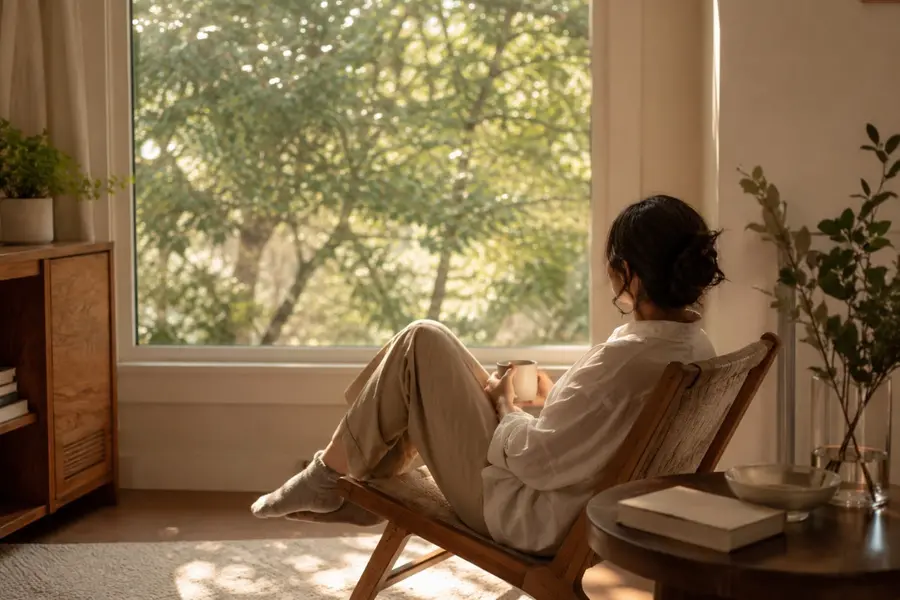
Remember multitasking? For years, resume advice told us that multitasking was a superpower. Now we know the truth: multitasking is just a fast way to burn out your brain and do three things poorly at the exact same time.
Try bringing back single-tasking.
- When you’re making dinner, just make dinner.
- When you’re talking to your partner or a friend, put your phone face down and actually look at them.
- When you’re writing a report, close the other 20 tabs on your browser.
Your brain will instantly breathe a sigh of relief when it doesn’t have to juggle five different inputs every minute.
Trying the Japanese Habit of “Naikan” for Inner Peace
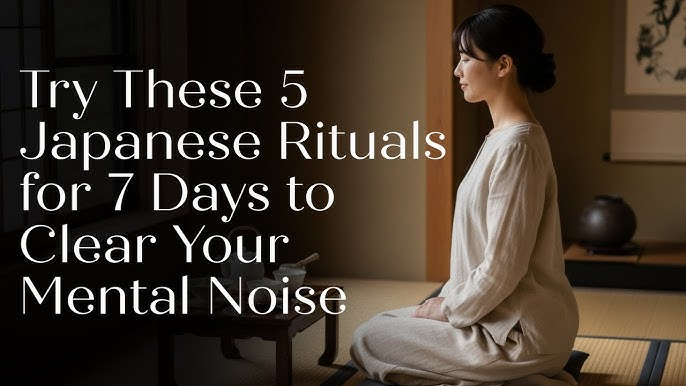
If your mind feels constantly noisy, borrowing a quick habit from traditional Japanese philosophy can help ground you. It’s called Naikan, which basically means looking inward.
At the end of the day, instead of stressing over what you didn’t get done on your to-do list, ask yourself three quick questions:
- What did someone do for me today? (Even something small, like a colleague sending a helpful file or a family member making tea).
- What did I do for someone else today?
- Did I cause anyone unnecessary trouble today?
It takes less than three minutes, but it shifts your mindset away from daily hassles and reminds you that you’re part of a bigger human community.
Give Yourself Permission to Have “Pointless” Hobbies
Somewhere along the line, society convinced us that every hobby needs to be a “side hustle” or something we can post online for validation. If you like painting, people ask if you’re going to sell prints. If you like baking, they tell you to start a food blog.
Forget that! Reclaim the joy of unproductive hobbies.
Do something purely because it feels nice in the moment. Doodle badly in a notebook. Plant some basil on your windowsill. Learn three chords on a guitar. Bake a batch of cookies and eat them with your family. Doing things just for the fun of it—without caring about the end result—is one of the most healing things you can do for yourself.
Learning the Power of a Gentle “No”

A lot of our stress comes from saying “yes” to things we secretly wish we said “no” to. We accept social invites when we’re exhausted, take on extra projects when our plate is full, and sign up for favors because we feel guilty.
Living a calmer life means protecting your time. And you don’t need a elaborate, fake excuse to decline something. A simple, polite response works wonders:
Protecting your downtime isn’t selfish—it’s how you ensure you have enough energy to show up fully for the things that do matter.