

Technology has become an inseparable part of modern life, influencing nearly everything we do. From the moment we wake up and check our smartphones to the way we work, shop, learn, travel, and communicate, technology shapes our daily experiences. In 2026, rapid advancements in artificial intelligence (AI), smart devices, cloud computing, automation, and digital connectivity are making life more efficient, convenient, and personalized than ever before.
The role of technology is no longer limited to businesses or tech enthusiasts. It is now deeply integrated into homes, schools, hospitals, transportation systems, and workplaces, helping people save time, improve productivity, and make better decisions. As innovation continues to accelerate, understanding these technological changes can help individuals and businesses adapt to the future with confidence.
The Growing Role of Technology in Daily Life
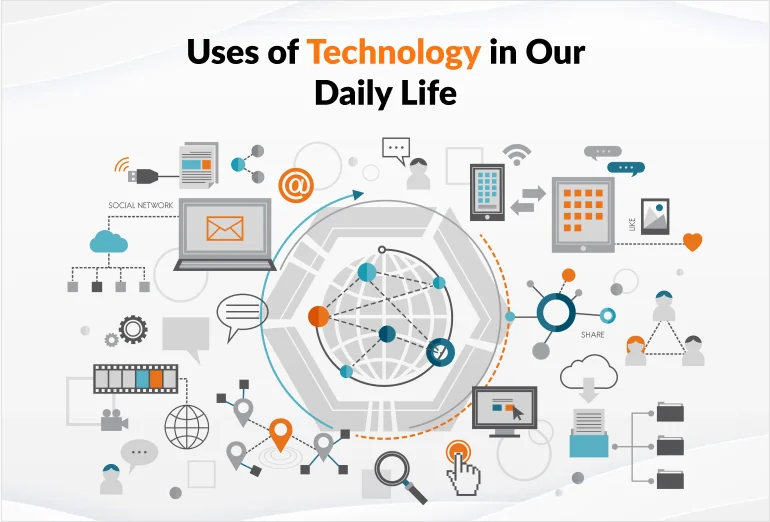
Over the last decade, technology has evolved from being a helpful tool into an essential part of everyday living. Smart devices, digital platforms, and connected services allow people to complete tasks that once required significant time and effort.
Whether paying bills online, attending virtual meetings, booking travel, ordering groceries, or accessing healthcare services, technology has simplified many everyday activities. These innovations not only improve convenience but also create new opportunities for learning, communication, and business growth.
As internet connectivity continues to improve worldwide, digital solutions are becoming more accessible to people from all backgrounds.
Artificial Intelligence Is Changing the Way We Work
Artificial intelligence has become one of the most influential technologies of 2026. AI-powered applications assist people with writing emails, creating content, analyzing data, scheduling meetings, translating languages, summarizing documents, and automating repetitive tasks.
Businesses are using AI to improve customer support through intelligent chatbots, predict customer behavior using advanced analytics, and optimize marketing campaigns with personalized recommendations. Employees benefit from AI by spending less time on routine work and more time on creative problem-solving and strategic planning.
For individuals, AI assistants make everyday tasks faster and more organized, helping improve both productivity and efficiency.
Smart Homes Are Making Life More Convenient
Smart home technology has transformed how people manage their living spaces. Devices such as smart lights, thermostats, security cameras, voice assistants, and connected appliances can all be controlled through smartphones or voice commands.
Home automation allows users to schedule lighting, monitor security, control room temperatures, and even manage household appliances remotely. These systems not only improve convenience but also help reduce energy consumption and increase home security.
As smart homes become more affordable, they are expected to become a standard feature in many households.
Wearable Technology Promotes Better Health
Wearable devices have evolved far beyond counting steps. Modern smartwatches and fitness trackers can monitor heart rate, sleep quality, blood oxygen levels, stress, physical activity, and overall wellness.
Many wearable devices also provide health reminders, encourage regular exercise, and detect unusual health patterns that may require medical attention. Healthcare providers increasingly use wearable technology for remote patient monitoring, enabling earlier diagnosis and more personalized treatment.
These innovations empower individuals to take a proactive approach to maintaining their health.
| Technology | Everyday Benefits |
|---|---|
| Artificial Intelligence | Task automation and smarter decision-making |
| Smart Home Devices | Improved comfort, convenience, and security |
| Wearable Technology | Better health monitoring and fitness tracking |
| Cloud Computing | Easy access to files from anywhere |
| Digital Payments | Fast, secure, and contactless transactions |
| Online Learning Platforms | Flexible education and skill development |
| Collaboration Software | Improved teamwork and remote work efficiency |
| Electric Vehicles | Sustainable and cost-effective transportation |
Remote Work and Digital Collaboration
Remote and hybrid work continue to grow in popularity. Businesses now rely on cloud-based collaboration platforms, video conferencing software, and project management applications to keep teams connected regardless of location.
Employees can attend meetings, share files, manage projects, and communicate instantly using digital tools. This flexibility has improved work-life balance for many professionals while helping organizations reduce operational costs.
The ability to work from anywhere has also expanded employment opportunities for people around the world.
Digital Payments Have Become the New Standard
Carrying cash is becoming less common as digital payment methods continue to expand. Mobile wallets, contactless cards, QR code payments, and online banking allow consumers to complete transactions quickly and securely.
Businesses benefit from faster payment processing, reduced cash handling, and improved customer convenience. Enhanced security features such as biometric authentication and encryption provide additional protection against fraud.
Digital finance is making both personal and business transactions more efficient than ever before.
Online Learning Is Expanding Educational Opportunities
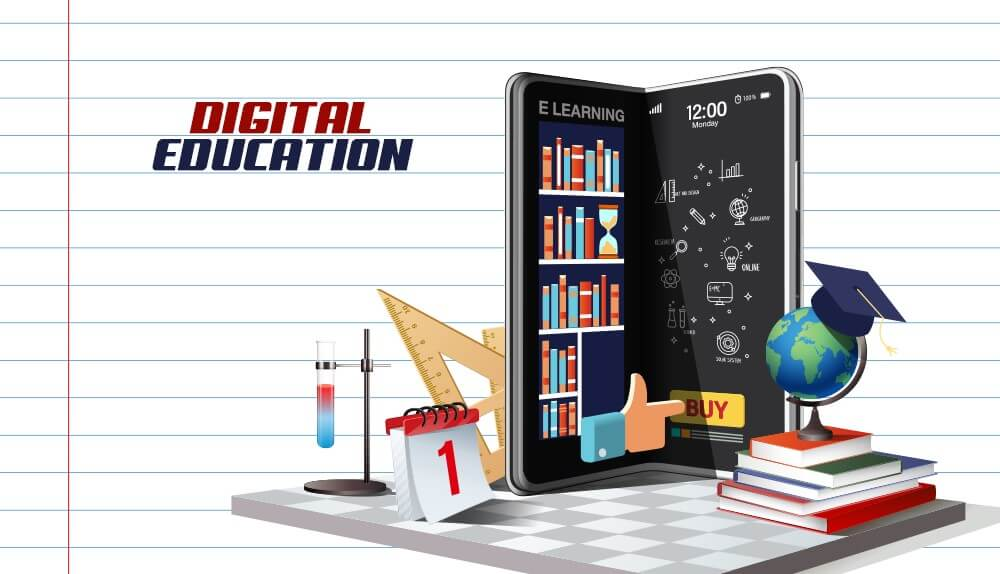
Technology has transformed education by making learning accessible from virtually anywhere. Students can attend virtual classrooms, access interactive lessons, complete online certifications, and develop professional skills without geographical limitations.
Artificial intelligence is also personalizing education by adapting learning materials to individual progress and performance. This approach helps learners understand concepts more effectively while improving overall educational outcomes.
Professionals can continue developing new skills throughout their careers using flexible online learning platforms.
Cloud Computing Simplifies Data Management
Cloud computing has become essential for both individuals and businesses. Instead of storing files only on physical devices, users can securely access documents, photos, videos, and business information from any internet-connected device.
Cloud storage improves collaboration by allowing multiple users to work on the same document simultaneously. Automatic backups also reduce the risk of losing valuable information due to hardware failures.
Businesses benefit from increased flexibility, lower infrastructure costs, and improved disaster recovery.
Smart Transportation Is Improving Mobility
Technology continues to reshape transportation through electric vehicles, intelligent navigation systems, ride-sharing platforms, and smart traffic management.
Electric vehicles reduce fuel costs and environmental impact, while navigation applications provide real-time traffic updates to help drivers avoid congestion. Many cities are investing in smart transportation systems that improve traffic flow and public transit efficiency.
Autonomous driving technologies are also progressing, offering the potential for safer and more efficient transportation in the future.
Cybersecurity Is More Important Than Ever
As digital technology becomes increasingly connected, protecting personal and business information is a top priority. Cybersecurity tools help defend against malware, phishing attacks, identity theft, and unauthorized access.
Individuals should use strong passwords, enable multi-factor authentication, update software regularly, and avoid suspicious websites or emails. Businesses are investing heavily in cybersecurity solutions to protect sensitive customer and company data.
Developing good online security habits is essential for safe technology use.
Sustainable Technology Is Supporting a Greener Future

Technology is playing an important role in environmental sustainability. Energy-efficient appliances, renewable energy systems, smart power management, and eco-friendly manufacturing processes help reduce environmental impact.
Many businesses are adopting digital workflows to reduce paper usage while improving operational efficiency. Consumers are also choosing energy-saving devices and recycling electronic waste more responsibly.
These innovations support global efforts to create a cleaner and more sustainable future.
Challenges of Modern Technology
Despite its many advantages, technology also presents challenges. Excessive screen time, online privacy concerns, misinformation, cybersecurity threats, and digital dependence require responsible technology use.
Maintaining a healthy balance between online and offline activities is important for both mental and physical well-being. Users should also verify online information carefully and practice responsible digital behavior.
By understanding these challenges, people can enjoy the benefits of technology while minimizing potential risks.
What the Future Holds
Technology will continue evolving through advancements in artificial intelligence, robotics, virtual reality, augmented reality, quantum computing, biotechnology, and smart cities. These innovations are expected to improve healthcare, education, transportation, communication, and business operations even further.
As technology becomes more intelligent and interconnected, everyday life will become increasingly personalized, efficient, and sustainable.