

Building a healthy lifestyle is one of the best investments you can make for your physical health, mental well-being, and overall quality of life. In today’s fast-paced world, many people struggle to maintain healthy habits because of busy schedules, stress, and unhealthy routines. However, living a healthy lifestyle does not require drastic changes or complicated plans. Small and consistent improvements can create lasting results over time.
A healthy lifestyle is not just about eating nutritious food or exercising regularly. It includes maintaining a balanced routine, getting enough sleep, managing stress, staying active, and making choices that support long-term wellness. These habits work together to improve energy levels, strengthen the immune system, enhance mood, and reduce the risk of various health issues.
For beginners, starting a healthy lifestyle can feel overwhelming because there is so much information available. The key is to focus on simple habits that can be maintained consistently. Sustainable changes are often more effective than extreme diets or unrealistic fitness goals.
Developing a healthy lifestyle is a journey rather than a destination. Every positive choice contributes to better health and creates a foundation for long-term success.
Healthy Lifestyle Essentials
| Healthy Habit | Main Benefit |
| Balanced Diet | Better nutrition and energy |
| Regular Exercise | Improved fitness and strength |
| Quality Sleep | Better recovery and wellness |
| Hydration | Supports overall body functions |
| Stress Management | Improves mental health |
Start with a Balanced Diet
Nutrition plays a major role in overall health and well-being. The food you eat provides the energy and nutrients needed for daily activities and bodily functions.
A balanced diet should include a variety of fruits, vegetables, whole grains, lean proteins, and healthy fats. These foods provide essential vitamins and minerals that support growth, immunity, and overall health.
Rather than focusing on strict diets, beginners should aim for healthier food choices and portion control. Consistency is more important than perfection when building long-term eating habits.
Making small improvements in nutrition can have a significant impact on energy levels and overall wellness.
Stay Physically Active



Regular physical activity is one of the most important components of a healthy lifestyle.
Exercise helps strengthen muscles, improve cardiovascular health, increase flexibility, and support weight management. It also contributes to better mental health by reducing stress and improving mood.
Beginners do not need intense workout routines to experience benefits. Simple activities such as walking, cycling, stretching, or light home workouts can be effective starting points.
The goal is to find enjoyable activities that encourage long-term consistency.
Prioritize Quality Sleep
Sleep is often overlooked, but it plays a critical role in maintaining health.
During sleep, the body repairs tissues, restores energy, and supports brain function. Poor sleep can affect concentration, mood, productivity, and overall health.
Developing a regular sleep schedule and creating a relaxing bedtime routine can improve sleep quality significantly.
Adults generally benefit from sufficient rest each night to support recovery and maintain optimal performance throughout the day.
Quality sleep is one of the simplest ways to improve physical and mental well-being.
Drink Enough Water

Hydration is essential for nearly every function within the body.
Water helps regulate temperature, transport nutrients, support digestion, and maintain healthy skin. Dehydration can lead to fatigue, headaches, and reduced concentration.
Many people underestimate the importance of drinking enough water throughout the day. Carrying a water bottle and developing hydration habits can make a noticeable difference in overall health.
Proper hydration supports both physical performance and mental clarity.
Manage Stress Effectively
Stress is a normal part of life, but excessive stress can negatively affect health.
Long-term stress may contribute to fatigue, sleep disturbances, reduced productivity, and other health concerns. Learning healthy ways to manage stress is an important part of building a balanced lifestyle.
Activities such as meditation, deep breathing, exercise, hobbies, and spending time with loved ones can help reduce stress levels.
Taking time for relaxation and self-care supports emotional well-being and overall health.
Build Healthy Daily Habits
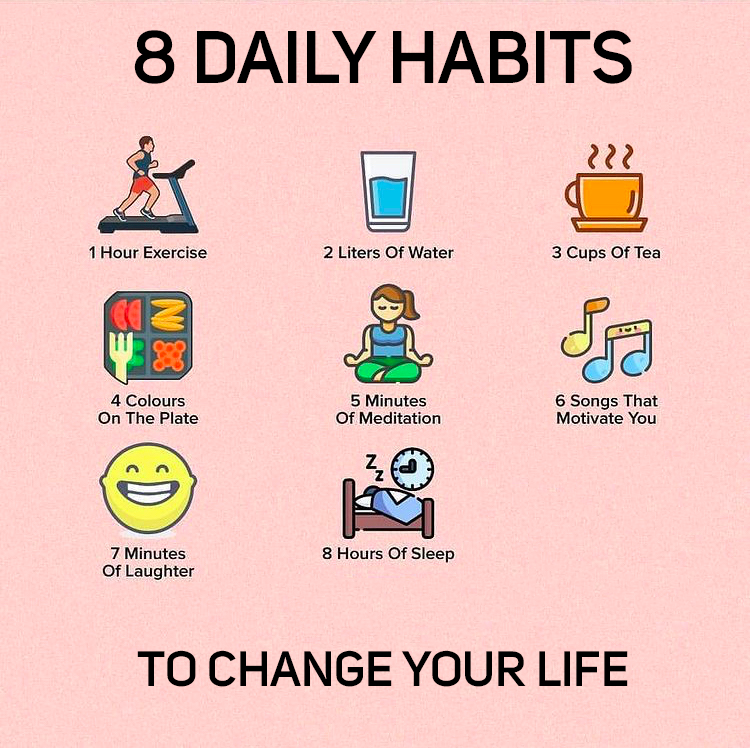
Healthy lifestyles are built through daily routines rather than occasional efforts. Simple habits such as eating breakfast, staying active, maintaining hydration, and getting enough sleep contribute to long-term wellness.
Consistency is often more valuable than intensity. Small positive actions repeated every day can produce significant improvements over time. stablishing healthy routines creates structure and makes it easier to maintain positive behaviors.
Limit Unhealthy Habits
Building a healthy lifestyle also involves reducing habits that may negatively affect health.
Excessive consumption of processed foods, sugary drinks, and unhealthy snacks can interfere with wellness goals. Similarly, prolonged inactivity and poor sleep habits may impact overall health.
The objective is not perfection but gradual improvement. Replacing unhealthy habits with healthier alternatives can create sustainable progress.
Making mindful choices each day contributes to long-term success.
Focus on Mental Well-Being

Mental health is just as important as physical health.
A healthy lifestyle includes activities that support emotional balance, positive thinking, and personal growth. Maintaining social connections, practicing gratitude, and engaging in enjoyable activities can improve mental wellness.
Taking care of mental health helps individuals handle challenges more effectively and maintain a positive outlook on life.
A balanced approach to wellness includes both mind and body.
Create Realistic Goals
Many people lose motivation because they set unrealistic expectations.
When beginning a healthy lifestyle journey, it is important to establish achievable goals that fit your schedule and abilities. Small milestones create momentum and help maintain motivation.
Celebrating progress rather than focusing solely on perfection encourages long-term commitment.
Realistic goals make healthy living more enjoyable and sustainable.
Stay Consistent and Patient

One of the most important aspects of a healthy lifestyle is consistency.
Results rarely happen overnight. Improvements in energy, fitness, mood, and overall health often develop gradually over time.
Patience allows healthy habits to become part of everyday life. Individuals who remain consistent are more likely to experience lasting benefits.
Healthy living is a lifelong commitment that rewards persistence and dedication.
The Importance of Self-Care
Self-care is an essential part of maintaining overall wellness.
Taking time to relax, recharge, and focus on personal needs helps prevent burnout and supports emotional balance. Self-care activities can include reading, spending time outdoors, pursuing hobbies, or simply taking a break from daily responsibilities.
Prioritizing self-care improves both physical and mental well-being.
A healthy lifestyle is not only about productivity but also about creating a balanced and fulfilling life.
Pros and Cons of Building a Healthy Lifestyle
| Pros | Cons |
| Improves overall health | Requires consistency and commitment |
| Increases energy levels | Results may take time |
| Supports better mental well-being | Lifestyle changes can be challenging initially |
| Enhances productivity | Some habits require planning |
| Helps prevent health problems | Motivation may fluctuate |
| Improves quality of life | Progress can feel slow at times |