

Entertainment has never evolved as quickly as it is today. Technology, changing consumer habits, and the growing popularity of digital platforms are transforming the way people watch movies, listen to music, play games, and connect with creators. In 2026, entertainment is no longer limited to television or movie theaters. It has become more interactive, personalized, and accessible than ever before.
From AI-powered recommendations and immersive gaming to live streaming and short-form video content, entertainment continues to adapt to the preferences of modern audiences. Whether you enjoy binge-watching your favorite series, discovering new music, attending virtual events, or following your favorite content creators, understanding these trends can help you stay ahead of what’s shaping the industry.
This guide explores the biggest entertainment trends of 2026 and explains why they matter to viewers, creators, and businesses alike.
The Rise of Personalized Entertainment

One of the biggest trends in 2026 is personalized content. Streaming services, music platforms, and social media apps now use advanced algorithms to recommend content based on individual interests, viewing history, and preferences.
Instead of searching through thousands of movies or songs, users receive suggestions tailored specifically to their tastes. This personalized approach saves time while helping people discover new content they may never have found on their own.
For creators, personalized recommendations also create opportunities to reach highly engaged audiences interested in their niche.
Streaming Continues to Dominate
Streaming remains the most popular way people consume entertainment.
Movies, television shows, documentaries, sports, and live events are now available on demand across multiple devices. Viewers appreciate the flexibility of watching content whenever and wherever they choose.
Competition among streaming platforms continues to drive higher-quality original programming, giving audiences an ever-growing selection of exclusive shows and films.
Many platforms also offer offline downloads, multiple user profiles, and improved accessibility features that enhance the viewing experience.
Artificial Intelligence Is Changing Entertainment
Artificial intelligence is becoming an important part of the entertainment industry.
AI helps recommend movies, create personalized playlists, improve video quality, generate subtitles, and enhance user experiences.
Content creators also use AI-powered tools to assist with video editing, graphic design, script brainstorming, and audio enhancement, allowing them to produce content more efficiently.
While AI continues to support creativity, human storytelling, originality, and emotional connection remain essential elements of successful entertainment.
Short-Form Video Keeps Growing

Short-form videos continue attracting millions of viewers every day.
Quick, engaging videos are now one of the fastest ways for creators to share entertainment, educational content, comedy, travel experiences, and lifestyle tips.
Their easy accessibility makes them ideal for busy audiences looking for entertaining content during short breaks.
Many businesses also use short-form video to reach customers through creative storytelling and product demonstrations.
Gaming Becomes More Social
Gaming has expanded far beyond traditional entertainment.
Modern games encourage collaboration, communication, and community building. Players connect with friends, participate in online competitions, and explore virtual worlds together regardless of geographical location.
Cloud gaming continues making high-quality games more accessible by allowing users to play without expensive hardware.
Cross-platform compatibility also enables players using different devices to enjoy games together.
Gaming has become both a form of entertainment and a social experience.
Live Streaming and Creator Communities
Content creators continue building loyal communities through live streaming.
Whether streaming games, music performances, cooking sessions, educational content, or everyday conversations, creators interact directly with viewers in real time.
Live chats, audience participation, and community memberships create stronger relationships between creators and their audiences.
Many viewers value authentic personalities and meaningful interactions as much as professionally produced content.
Podcasts Continue to Expand
Podcasts remain one of the fastest-growing forms of entertainment.
People enjoy listening while driving, exercising, working, or relaxing at home.
Topics now cover nearly every interest imaginable, including business, health, technology, history, sports, travel, comedy, and storytelling.
Video podcasts have also become increasingly popular, allowing audiences to choose between audio-only or visual formats.
This flexibility continues driving podcast growth worldwide.
Virtual Reality and Immersive Experiences
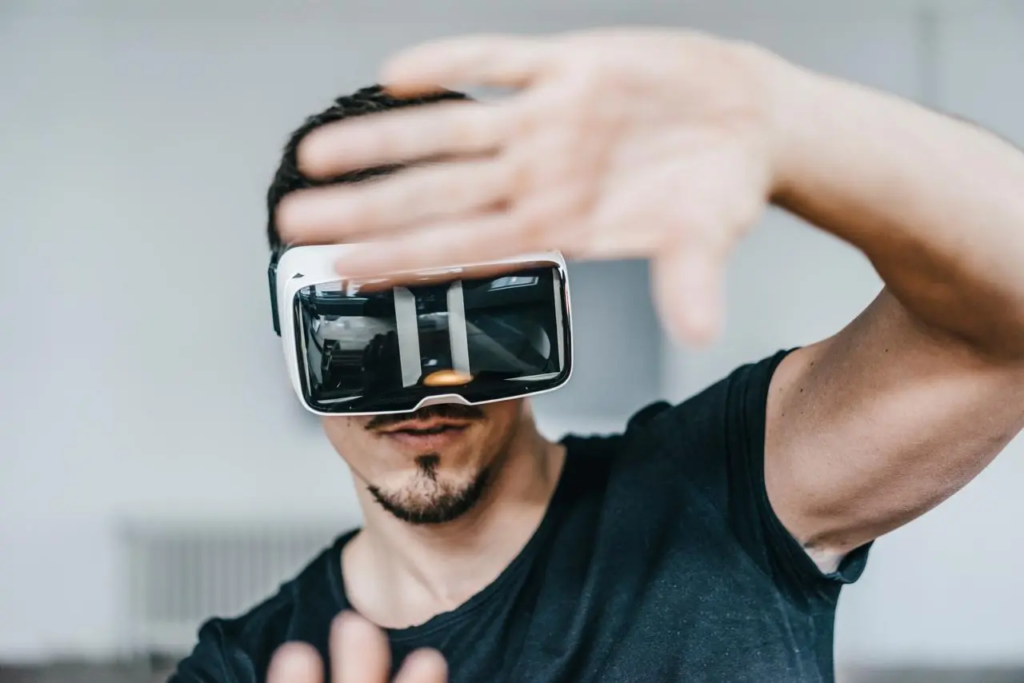
Virtual reality is becoming more accessible to everyday consumers.
VR allows users to experience concerts, sporting events, museums, travel destinations, and games in immersive digital environments.
Entertainment companies continue investing in experiences that combine interactive storytelling with realistic graphics and sound.
Although still developing, virtual reality is expected to play an increasingly important role in future entertainment.
Live Events Make a Strong Comeback
Despite the popularity of digital content, people continue valuing live experiences.
Concerts, music festivals, sporting events, theater performances, comedy shows, and cultural festivals provide unforgettable memories that online content cannot fully replace.
Many events now combine in-person attendance with live online broadcasts, allowing global audiences to participate.
Hybrid entertainment models continue expanding opportunities for both creators and fans.
Music Streaming Evolves
Music streaming services continue improving their user experience through smarter recommendations, high-quality audio, collaborative playlists, and personalized listening statistics.
Independent artists now have greater opportunities to distribute music directly to global audiences without relying solely on traditional record labels.
Live virtual concerts and exclusive artist content also help strengthen fan engagement.
Music has become more accessible than ever before across smartphones, smart speakers, and wearable devices.
Interactive Entertainment Is Growing

Today’s audiences increasingly want to participate rather than simply watch.
Interactive movies, audience voting, multiplayer games, live quizzes, and community-driven content encourage viewers to become part of the entertainment experience.
Many creators involve audiences in content decisions through polls, live comments, and social media discussions.
This interactive approach strengthens engagement while creating more memorable experiences.
Responsible Digital Entertainment
As digital entertainment grows, maintaining healthy viewing habits becomes increasingly important.
Spending long hours in front of screens may reduce physical activity and impact sleep quality.
Many people now balance digital entertainment with reading, exercise, outdoor recreation, and face-to-face social interactions.
Setting screen-time limits and taking regular breaks helps create a healthier relationship with technology.
Entertainment should improve quality of life rather than replace meaningful real-world experiences.
What the Future Looks Like
Entertainment will continue evolving as technology advances.
Artificial intelligence, augmented reality, virtual reality, cloud gaming, interactive storytelling, and personalized recommendations will become even more sophisticated.
Creators will have access to powerful production tools while audiences will enjoy increasingly customized experiences across multiple platforms.
However, one thing is unlikely to change: people will always value authentic stories, creativity, emotional connections, and shared experiences.
Technology may transform how entertainment is delivered, but meaningful content will remain at the center of every successful platform.