
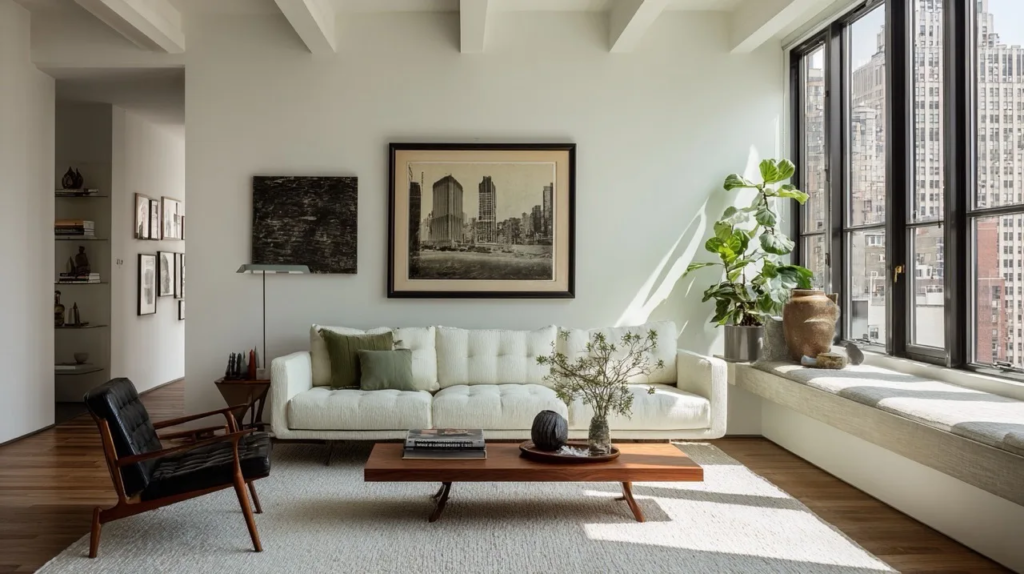
In today’s fast-paced world, it’s easy to accumulate more than we actually need. From overflowing wardrobes and crowded homes to endless digital distractions, many people find themselves surrounded by clutter that creates unnecessary stress. A minimalist lifestyle offers a refreshing alternative by encouraging people to focus on quality instead of quantity and to make room for the things that truly matter.
Minimalism isn’t about living with almost nothing or giving up everything you enjoy. Instead, it’s about intentionally choosing what adds value to your life while letting go of the unnecessary. By simplifying your surroundings and daily routines, you can reduce stress, improve productivity, save money, and create more time for meaningful experiences. This guide explores everything you need to know about embracing a minimalist lifestyle and how to start your own journey.
What Is a Minimalist Lifestyle?
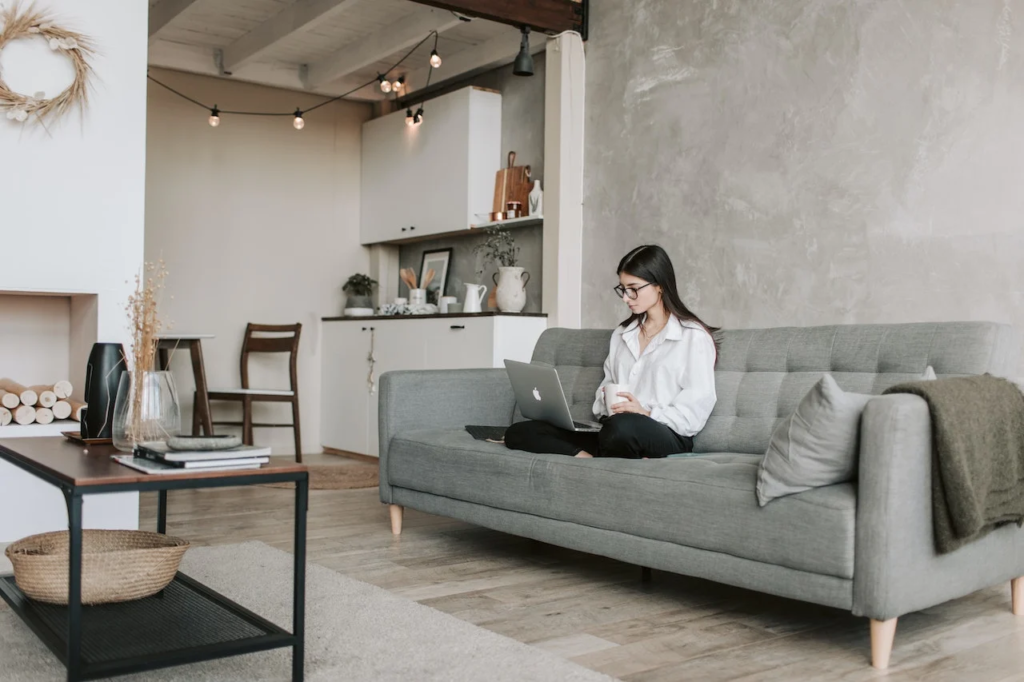
A minimalist lifestyle is a way of living that focuses on owning fewer possessions and making intentional choices about what you keep in your life. Instead of collecting unnecessary items, minimalists prioritize quality, usefulness, and personal value.
Minimalism applies to much more than physical belongings. It also influences how people manage their time, finances, relationships, digital habits, and daily routines. The goal is to eliminate distractions so you can focus on the people, activities, and experiences that truly bring happiness and fulfillment.
Why More People Are Choosing Minimalism
Many people are turning to minimalism because modern life often feels overwhelming. Constant shopping, social media pressure, and busy schedules can leave people feeling mentally exhausted. A minimalist lifestyle helps reduce this pressure by encouraging intentional living rather than constant consumption.
Choosing to own less often leads to greater financial freedom, less cleaning and maintenance, reduced stress, and a stronger appreciation for the things you already have. Instead of chasing more possessions, minimalists invest their time and energy into experiences, relationships, and personal growth.
Benefits of Living a Minimalist Lifestyle
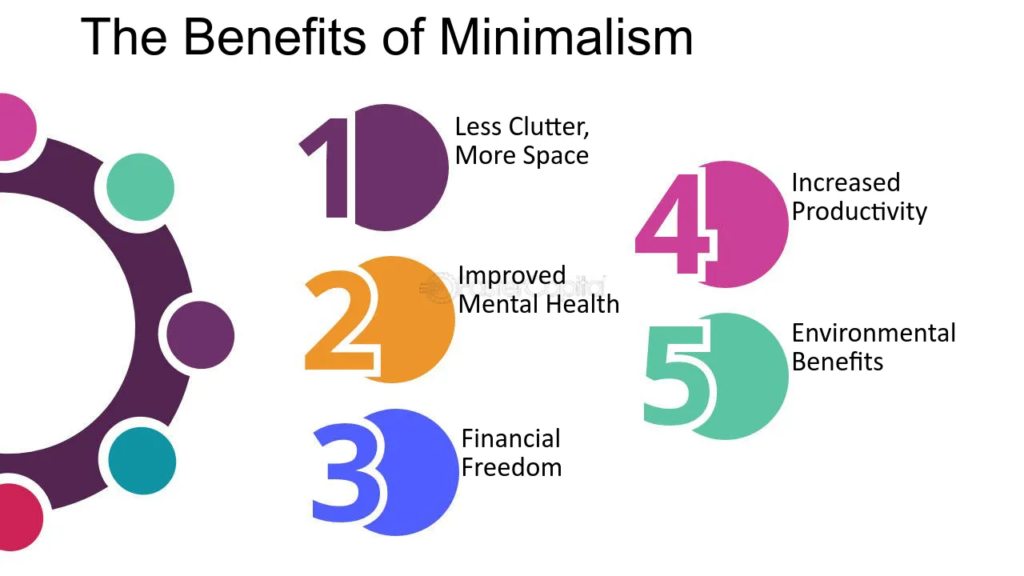
Living with less can have a positive impact on many areas of life. While everyone’s experience is different, many people notice improvements soon after simplifying their surroundings and daily habits.
Some of the biggest benefits include:
- Reduced stress and anxiety
- Cleaner and more organized living spaces
- Better financial management
- Increased focus and productivity
- Easier decision-making
- More free time
- Less household maintenance
- Improved mental well-being
- Greater appreciation for meaningful possessions
- Environmentally friendly lifestyle
These benefits make minimalism attractive for individuals, families, students, and professionals alike.
How to Start Your Minimalist Journey
Beginning a minimalist lifestyle doesn’t require dramatic changes overnight. The best approach is to start gradually by focusing on one area of your life at a time. Many people begin by decluttering a single room, organizing a wardrobe, or reducing unnecessary purchases.
As you gain confidence, you can apply minimalist principles to other areas such as finances, digital devices, workspaces, and daily schedules. Small, consistent changes often lead to lasting habits that are easier to maintain over time.
Decluttering Your Home

Your home is one of the easiest places to begin practicing minimalism. Walk through each room and ask yourself whether an item serves a useful purpose or genuinely adds value to your life. If it doesn’t, consider donating, recycling, or selling it.
A clutter-free home is easier to clean, more relaxing to live in, and helps create a peaceful environment. Rather than aiming for perfection, focus on keeping only the belongings you truly use and appreciate.
Creating a Minimalist Wardrobe
Many people own far more clothing than they actually wear. A minimalist wardrobe focuses on versatile, comfortable, and high-quality pieces that can be mixed and matched for different occasions.
Instead of constantly buying new clothes, invest in timeless essentials that suit your personal style. This approach saves money, reduces decision fatigue, and makes getting dressed much easier every day.
Simplifying Your Digital Life

Minimalism isn’t limited to physical possessions. Digital clutter such as unused apps, thousands of photos, unnecessary files, and constant notifications can also create stress and distraction.
Organizing digital files, deleting unused applications, unsubscribing from unwanted emails, and limiting screen time can improve focus while making your devices easier to manage.
Managing Money the Minimalist Way
A minimalist lifestyle often leads to healthier financial habits. Instead of making impulse purchases, minimalists focus on intentional spending and buying only what they genuinely need.
Creating a budget, avoiding unnecessary debt, and prioritizing savings can provide greater financial security. Over time, spending less on unnecessary items creates more opportunities to invest in experiences, education, or future goals.
Minimalism and Mental Well-Being

A cluttered environment can contribute to feelings of stress and anxiety. By simplifying your surroundings, you create a calmer space that supports better concentration and emotional well-being.
Many people also find that minimalism encourages mindfulness. Instead of constantly thinking about acquiring more possessions, they become more present and appreciative of everyday moments.
Minimalism in Daily Routines
Minimalism isn’t just about what you own—it’s also about how you spend your time. Simplifying your daily schedule allows you to focus on activities that truly matter.
Reducing unnecessary commitments, creating consistent routines, and prioritizing important tasks can improve productivity while leaving more time for relaxation, hobbies, and spending time with loved ones.
Minimalism for Families
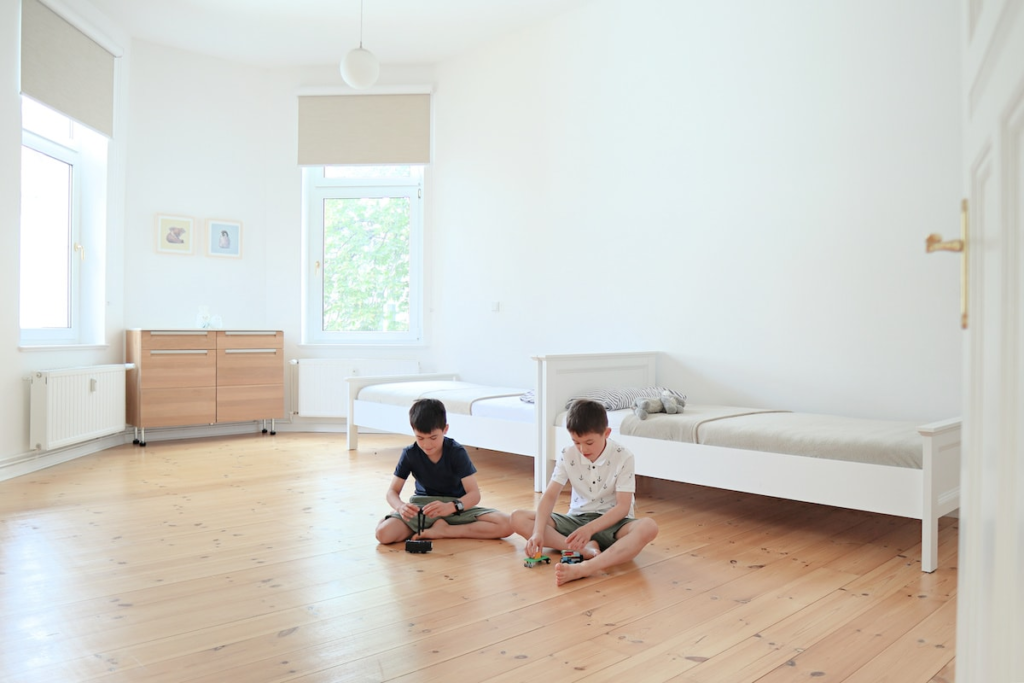
Minimalism can benefit entire families by creating more organized homes and reducing unnecessary spending. Parents often find that fewer toys, clothes, and household items make cleaning easier while encouraging children to appreciate what they have.
Family minimalism doesn’t mean living without comfort. Instead, it promotes thoughtful purchasing decisions and shared experiences over material possessions.
Common Myths About Minimalism
One of the biggest misconceptions is that minimalists own almost nothing. In reality, minimalism looks different for everyone. Some people own very few possessions, while others simply choose to keep only what they regularly use and enjoy.
Another myth is that minimalism is restrictive. The purpose isn’t to deprive yourself but to remove distractions so you can focus on what truly improves your quality of life.
Mistakes to Avoid When Becoming a Minimalist
Many beginners try to declutter everything at once, which can quickly become overwhelming. Others compare their journey to social media images that don’t reflect real life.
Remember that minimalism is a personal lifestyle, not a competition. Progress happens gradually, and it’s perfectly acceptable to move at your own pace while creating a lifestyle that suits your individual needs.
The Future of Minimalist Living
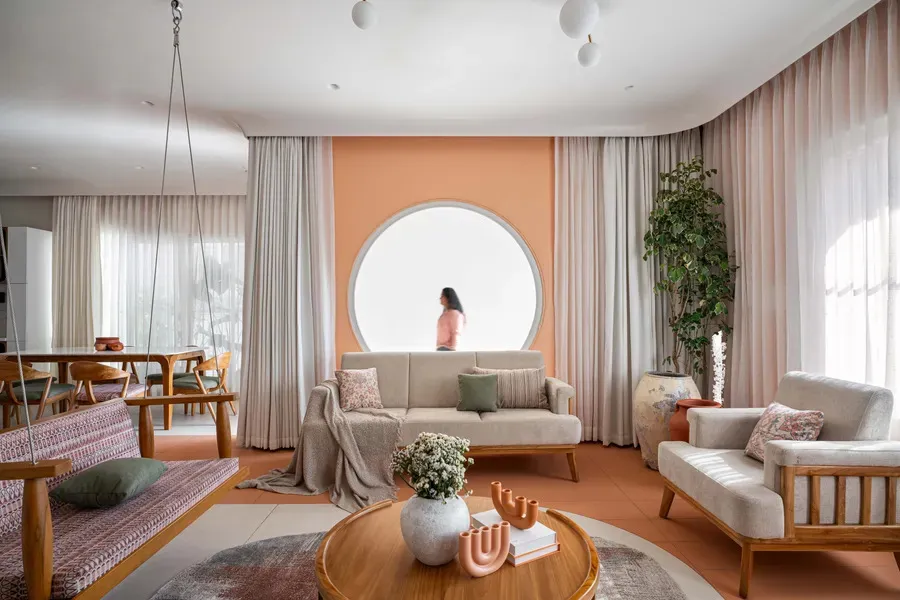
As more people seek balance, sustainability, and financial freedom, minimalism continues to grow in popularity. Technology, remote work, and increased awareness of environmental issues are encouraging individuals to consume more thoughtfully and live with greater intention.
The future of minimalism isn’t about owning less for its own sake—it’s about creating a lifestyle that supports happiness, well-being, and meaningful experiences.
Minimalist Lifestyle Checklist
| Area | Simple Action |
|---|---|
| Home | Declutter one room at a time |
| Wardrobe | Keep versatile, frequently worn clothing |
| Finances | Avoid impulse purchases and create a budget |
| Digital Life | Delete unused apps and organize files |
| Daily Routine | Prioritize important tasks |
| Shopping | Buy only what you truly need |
| Workspace | Keep your desk clean and organized |
| Relationships | Spend more time with supportive people |
Minimalism Is About Intentional Living
One of the biggest misconceptions about minimalism is that it’s only about getting rid of possessions. In reality, minimalism is about making intentional decisions in every aspect of life. It encourages you to think carefully before buying something, committing to new responsibilities, or filling your schedule with activities.
When you live intentionally, every purchase and every decision serves a purpose. This mindset helps reduce unnecessary stress and allows you to spend more time on things that truly bring happiness and fulfillment.
Quality Over Quantity
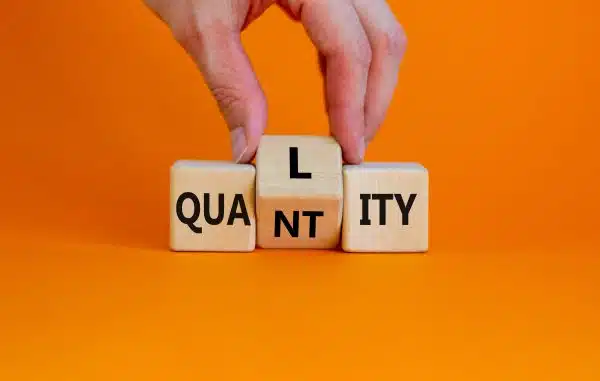
Minimalists often believe that owning fewer, high-quality items is better than accumulating many inexpensive products that wear out quickly. Investing in durable clothing, reliable furniture, and long-lasting household essentials can actually save money over time.
Choosing quality also reduces waste because you replace items less frequently. Instead of constantly buying new products, you learn to appreciate and take better care of the things you already own.