

Every few years, the health and wellness world undergoes a major shift. We move past temporary quick-fixes and flashy social media fads toward strategies grounded in medicine, technology, and real-world nutrition. In 2026, that evolution has reached a fascinating tipping point.
We are no longer guessing what works for our bodies. Instead, we are entering an era driven by precision, real-time data, and a renewed appreciation for real food. To understand where health is heading, a panel of leading health experts—including board-certified physicians, registered dietitians, and metabolic researchers—weighed in on the biggest health trends shaping 2026.
Whether you are looking to revamp your daily energy, optimize your metabolic health, or simply clear through the noise of conflicting diet advice, here is a deep dive into the top healthy food and lifestyle trends you need to try in 2026—and a look at what is fading away.
The GLP-1 Expansion: How Prescription Science Is Reshaping Our Plates
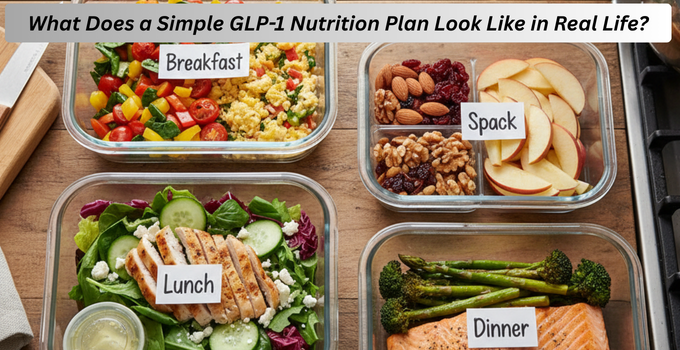
Taking the absolute top spot as the most impactful health trend of 2026, chosen by 52% of polled experts, is the exponential expansion of GLP-1 (glucagon-like peptide-1) medications.
For the past few years, medications like Ozempic, Wegovy, and Mounjaro dominated headlines primarily as weight-loss aids. However, as we move through 2026, the conversation has fundamentally shifted. Researchers and clinicians are recognizing that GLP-1 receptor agonists do far more than help people lose weight—they are proving to be versatile tools for systemic health.
2026 Expert-Ranked Health Trends
┌─────────────────────────────────────────────────────────────┐
│ GLP-1 Expansion & Medical Nutrition 52% │
├─────────────────────────────────────────────────────────────┤
│ AI-Integrated Wearables & Metabolic Tracking 38% (Tie) │
├─────────────────────────────────────────────────────────────┤
│ “Food as Medicine” & Whole-Food Nutrition 38% (Tie) │
└─────────────────────────────────────────────────────────────┘
Expanding Far Beyond Weight Loss
Recent clinical studies highlight how GLP-1 medications impact a wide spectrum of health conditions:
- Cardiometabolic & Heart Health: Lowering systemic inflammation and reducing cardiovascular risk factors.
- Kidney & Liver Protection: Improving outcomes for chronic kidney disease and fatty liver conditions.
- Fertility & Hormonal Balance: Assisting women with PCOS and metabolic-related reproductive challenges.
- Joint & Musculoskeletal Support: Easing the burden of osteoarthritis through both weight reduction and direct anti-inflammatory mechanisms.
- Neurological & Addiction Support: Preliminary research points toward reduced cravings for alcohol, nicotine, and ultra-palatable foods.
According to data from KFF, approximately one in five U.S. adults has now used a GLP-1 medication. As manufacturing scales up and prices continue to fall, accessibility is surging.
“I think the explosion of GLP-1s use will continue, and with the cost decreasing, increased utilization will increase our understanding of the benefits and use for other health issues,” notes Dr. Melina Jampolis, an internist and board-certified physician nutrition specialist.
What This Means for Your Food Choices

This medical shift is quietly revolutionizing how we eat. Because GLP-1 medications slow gastric emptying and suppress appetite, people eating on these regimens naturally consume smaller portion sizes. As a result, nutrient density has become paramount. When you eat less total volume, every single bite counts.
Alefiya Faizullabhoy, a registered dietitian and manager of the diabetes in pregnancy program at Northwell Health, highlights this shift:
“GLP-1s continue to gain popularity with patients because it provides hope and the jump start for weight loss. GLP-1s have shown to have cardiometabolic advantages, and likely as such a large part of funding towards research for GLP-1s is ongoing, there will be emergence of findings that GLP-1s have other advantages as well.”
Food brands and nutritionists in 2026 are responding with “GLP-1 friendly” meal strategies. These focus on lean protein to preserve muscle mass, rich dietary fiber for gut support, and high-micronutrient profiles to prevent nutrient deficiencies. Even if you aren’t taking a GLP-1 medication yourself, adopting a high-protein, fiber-forward, nutrient-dense eating pattern is one of the healthiest habits you can embrace this year.
AI-Integrated Wearables: Your Personal Metabolic Coach (Tied for #2)
Tied for second place among the expert panel was the integration of Artificial Intelligence with wearable health technology for dietary tracking, sleep optimization, and lifestyle coaching.
Fitness trackers used to be little more than glorified pedometers. Today, wearables have transformed into continuous, intelligent health companions. By pairing continuous health metrics with advanced AI algorithms, these devices do much more than tell you how many steps you walked or calories you burned—they provide hyper-personalized, context-aware suggestions in real time.
Raw Wearable Data AI Analysis Personalized Action
┌──────────────────┐ ┌──────────────────┐ ┌──────────────────────────┐
│ • Heart Rate │ │ • Patterns │ │ • Optimal Sleep Windows │
│ • Glucose Spikes │ ────> │ • Baseline Shifts│ ────> │ • Micro-Walk Reminders │
│ • HRV Levels │ │ • Stress Triggers│ │ • Meal Sequence Guidance │
└──────────────────┘ └──────────────────┘ └──────────────────────────┘
Real-Time Metabolic Feedback
When experts were asked specifically to name the most important health technology trend for 2026, a staggering 60% agreed that wearable devices providing real-time metabolic feedback take the crown.
Continuous Glucose Monitors (CGMs), smart rings (like the Oura Ring), and advanced fitness trackers give users immediate visibility into how their body responds to specific foods, sleep patterns, and daily stressors.
“From my perspective as an RDN, wearable devices like continuous glucose monitors and Oura rings offer an unmatched advantage,” explains Raksha Shah, registered dietitian and founder of Wisebite Nutrition. “They provide immediate, personalized insights that empower individuals to make informed, actionable choices about their diet and lifestyle.”
Instead of following generic diet advice from a book or social media post, real-time feedback allows you to see how your body uniquely processes a meal. You might discover that oats cause your blood sugar to spike while eggs and avocado keep you stable—or that a brisk 10-minute walk after lunch dramatically flattens your glucose curve.
Wendy Bazilian, a registered dietitian nutritionist and certified exercise physiologist, emphasizes this transformation:
“Wearable technology that provides real-time metabolic data has the potential to fundamentally change how we give and follow nutrition advice. Instead of relying on recall or generalized guidelines, people can see how their own glucose, heart rate variability, or activity patterns respond to certain foods, sleep habits, or stress.”
The Necessity of Human Guidance
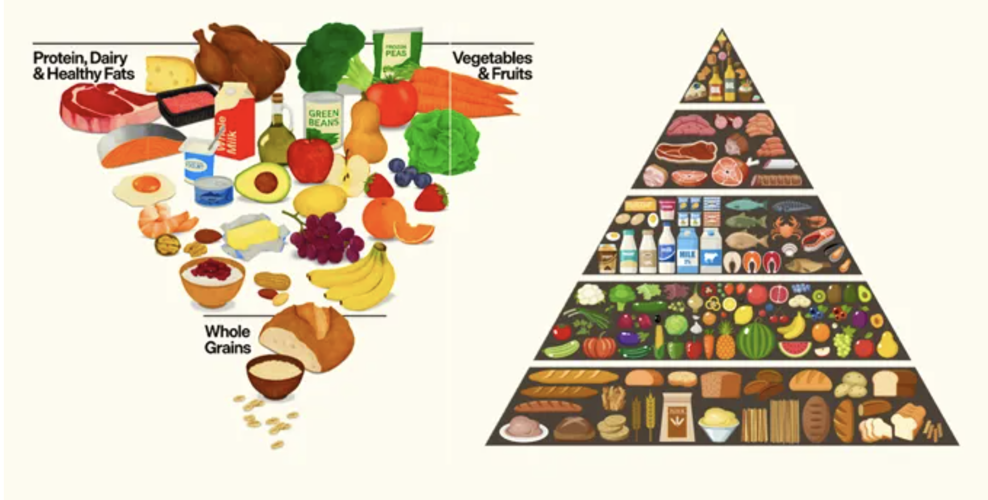
However, experts offer an important caveat: Data without context can create anxiety.
Having endless metrics at your fingertips doesn’t replace clinical wisdom. Interpreting complex metabolic numbers requires nuance. A temporary glucose spike after an intense workout or a high-carbohydrate whole-food meal isn’t inherently dangerous, yet an algorithm might flag it as “bad” without human context.
As Faizullabhoy notes, “AI is being used in every pathway, and using it as a tool will become a part of daily existence. It may be used with wearable feedback devices to provide ‘in time’ association between food consumption and effect on, for example, glucose and other metabolic markers.”
To get the most out of these tech tools, pair them with the guidance of a registered dietitian or physician who can help translate raw data into sustainable, healthy habits.
“Food as Medicine”: Returning to Whole, Nutrient-Dense Nutrition (Tied for #2)
Tied for second place with wearable tech is the renewed movement toward “Food as Medicine.”
While the concept itself dates back to Hippocrates, its formal adoption inside modern clinical healthcare is exploding in 2026. Healthcare providers, hospital systems, and health insurance plans are increasingly prescribing specific dietary interventions as primary or adjunctive treatments for chronic conditions like type 2 diabetes, hypertension, fatty liver disease, and systemic inflammation.
Traditional Paradigm 2026 Integrated Paradigm
┌──────────────────────┐ ┌──────────────────────────────┐
│ Symptom Appears │ │ Prevention & Management │
│ │ │ │ │ │
│ ▼ │ ────────────> │ ┌─────────┴─────────┐ │
│ Prescribe Pill │ │ ▼ ▼ │
│ (Isolated Treat) │ │ Targeted Medical Whole Food│
└──────────────────────┘ │ Therapy (GLP-1) Nutrition│
└──────────────────────────────┘
Quality Over Quick Supplements
For years, the health industry relied heavily on isolated, synthetic supplements—a pill or powder for every deficiency. In 2026, the pendulum is swinging back to whole, unrefined foods where nutrients interact naturally.
“There’s a growing shift toward viewing food as medicine, with fewer people relying solely on supplements and instead prioritizing whole, nutrient-dense foods,” says Samar Kullab, a Chicago-based registered dietitian.
This trend focuses on:
- Fiber-Dense Eating: Incorporating legumes, chia seeds, berries, and whole grains to support gut health and balance blood sugar.
- Polyphenol & Anti-Inflammatory Foods: Prioritizing extra-virgin olive oil, wild-caught fatty fish, leafy greens, and dark berries.
- Medically Tailored Meals: Programs where patients receive chef-prepared, dietitian-designed meals specifically tailored to manage chronic conditions.
By focusing on whole, nutrient-rich foods, you give your body the exact biochemical building blocks it needs to repair, defend, and thrive.
Emerging Tech: What Else Is Making Waves?
Beyond AI wearables, two other technology-driven trends received notable votes from the 2026 expert panel:
1. Advanced Food-Tracking Apps
Forget simple calorie counting. The new wave of food-tracking software uses image recognition AI to identify meal components, calculate micro- and macronutrients, and analyze ingredients for potential inflammatory triggers or ultra-processed additives.
2. At-Home Testing Kits (With Important Cautions)
At-home kits targeting gut microbiome health, hormone panels, and food sensitivities continue to see strong consumer demand. However, experts urge caution. Many commercial at-home food allergy tests measure IgG antibodies (which often simply indicate recent food exposure, not a true allergy) and lack robust scientific validity.
If you are dealing with digestive issues or suspect allergies, experts strongly recommend working with a gastroenterologist or clinical allergist rather than relying solely on direct-to-consumer test kits.
What Isn’t Trending in 2026?
Understanding what is falling out of favor is just as informative as knowing what is trending. The expert panel identified several health fads that are rapidly losing momentum this year:
Declining Trends in 2026 The Shift Toward
┌──────────────────────────────────┐ ┌──────────────────────────────┐
│ • Hyper-personalized meal delivery│ │ • Simple whole-food cooking │
│ • Ultra-processed plant meats │ ───>│ • Whole protein sources │
│ • Strict, dogmatic veganism │ │ • Flexible, balanced diets │
└──────────────────────────────────┘ └──────────────────────────────┘
- Hyper-Personalized Meal Delivery Services: High subscription costs and excessive packaging waste have cooled consumer interest. Most people prefer learning flexible, real-world cooking habits over receiving pre-packaged meal boxes indefinitely.
- Ultra-Processed Plant-Based Meat Alternatives: The initial excitement surrounding lab-grown and highly processed fake meats has diminished significantly. Consumers are increasingly skeptical of long ingredient lists containing isolated soy proteins, industrial oils, and synthetic binders.
- Strict Vegan Dogma vs. Balanced Flexitarianism: Rather than adhering strictly to 100% plant-based or 100% carnivore extremes, people are embracing a grounded, balanced middle way.
“We are seeing many formerly plant-based restaurants and plant-based influencers incorporate animal products they feel are sustainable and ethical,” points out Dahlia Marin, registered dietitian, certified gastrointestinal nutritionist, and CEO of Married to Health. “The market has changed, and fully plant-based diets are no longer as highly favored as they once were.”
Instead of fake meat products, 2026 is seeing a return to natural protein sources—such as pasture-raised eggs, wild seafood, organic poultry, grass-fed meats, and traditional plant proteins like lentils, chickpeas, and fermented tempeh.
How to Apply the 2026 Trends to Your Life Today
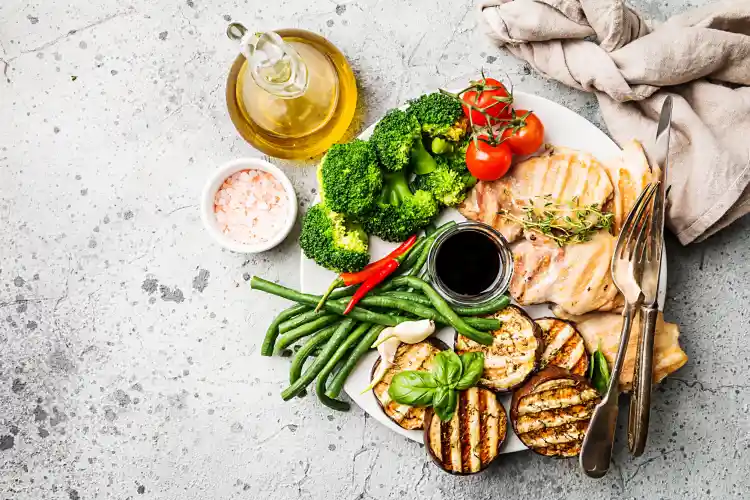
You don’t need a massive budget or high-tech gadgets to take advantage of this year’s top insights. Here is a simple, practical roadmap to incorporate 2026’s best health strategies into your daily life:
Step 1: Prioritize Protein and Fiber First
Whether or not you use metabolic medications, structuring every meal around high-quality protein (25–40 grams) and fiber-rich vegetables or whole grains will naturally regulate your appetite, keep blood sugar stable, and protect lean muscle mass.
Step 2: Focus on Whole Foods Over Supplements
Before buying expensive powders or pills, audit your grocery cart. Aim for 80–90% of your meals to come from whole, single-ingredient sources: fresh produce, quality proteins, nuts, seeds, and healthy fats.
Step 3: Use Technology Mindfully
If you use a smartwatch, smart ring, or continuous glucose monitor, treat the metrics as data, not judgment. Look for overall patterns—like how sleep quality affects your appetite or how a post-meal walk reduces glucose spikes—and consult a professional if you need help interpreting the numbers.
Step 4: Ditch the Processed “Health” Foods
Skip the heavily processed meat substitutes and fake food products loaded with additives. Keep your plate simple, natural, and nutrient-dense.
Summary of Key Takeaways
| 2026 Trend | Key Driver | Actionable Step |
| GLP-1 Expansion | Decreasing costs & expanding metabolic medical benefits. | Focus on protein & nutrient density to match smaller portion sizes. |
| AI & Wearable Tech | Continuous, real-time metabolic feedback (CGMs, rings). | Use wearable data to optimize habits, but seek expert guidance. |
| “Food as Medicine” | Shift from synthetic pills to clinical, whole-food nutrition. | Fill your plate with fiber-dense, anti-inflammatory whole foods. |
| Real Protein Shift | Decline in ultra-processed plant-based alternatives. | Choose unrefined, whole protein sources (eggs, fish, legumes). |