

Personal growth is a lifelong journey, and every small improvement you make today can lead to significant changes tomorrow. In 2026, self-improvement is no longer just about reading motivational books or setting ambitious goals. It’s about building healthy habits, developing practical skills, improving your mindset, and creating a balanced lifestyle that supports long-term success.
Whether you want to become more productive, build confidence, improve your health, or achieve your career goals, the right self-improvement strategies can help you move forward. This guide explores the most effective ways to transform your life and become the best version of yourself.
What Is Self-Improvement?
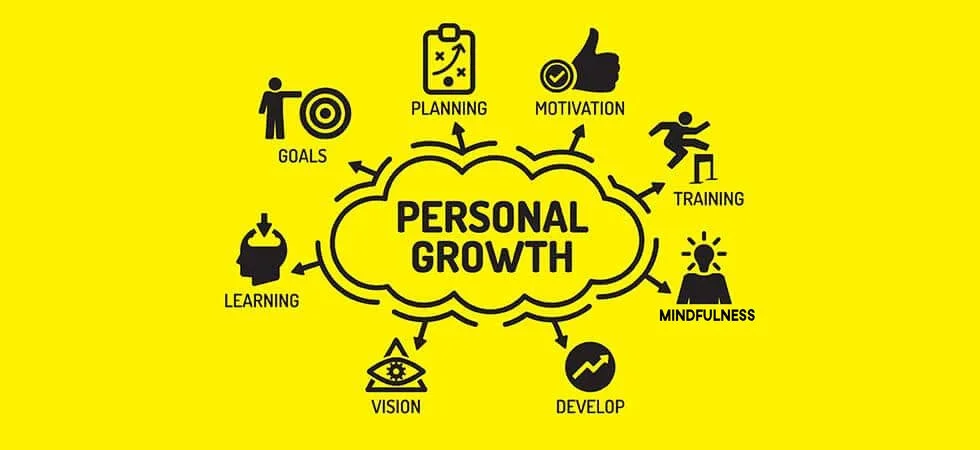
Self-improvement is the continuous process of developing your knowledge, skills, habits, and mindset to enhance your personal and professional life. It focuses on making consistent progress rather than seeking perfection.
Self-improvement can involve improving physical health, emotional well-being, communication skills, financial habits, productivity, or relationships. The goal is to become a happier, healthier, and more capable individual over time.
Why Self-Improvement Matters
Investing in yourself brings benefits that extend to every area of life. Personal growth helps you adapt to challenges, build resilience, and create opportunities that may not have been possible before.
Some key benefits include:
- Increased confidence
- Better decision-making
- Improved mental health
- Stronger relationships
- Higher productivity
- Greater career opportunities
- Better work-life balance
- Increased motivation and focus
Small daily improvements often lead to remarkable long-term results.
Set Clear and Achievable Goals
One of the most effective self-improvement strategies is setting clear goals.
Instead of creating vague objectives like “be successful,” define measurable goals such as learning a new skill, exercising four times a week, or reading one book every month.
Breaking large goals into smaller milestones makes progress easier to track and helps maintain motivation throughout the journey.
Build Positive Daily Habits
Your daily habits shape your future more than occasional bursts of motivation.
Simple habits like waking up on time, drinking enough water, exercising regularly, reading for twenty minutes, or planning your day can significantly improve your quality of life.
Consistency matters more than perfection. Small improvements repeated every day create lasting positive change.
Continue Learning New Skills
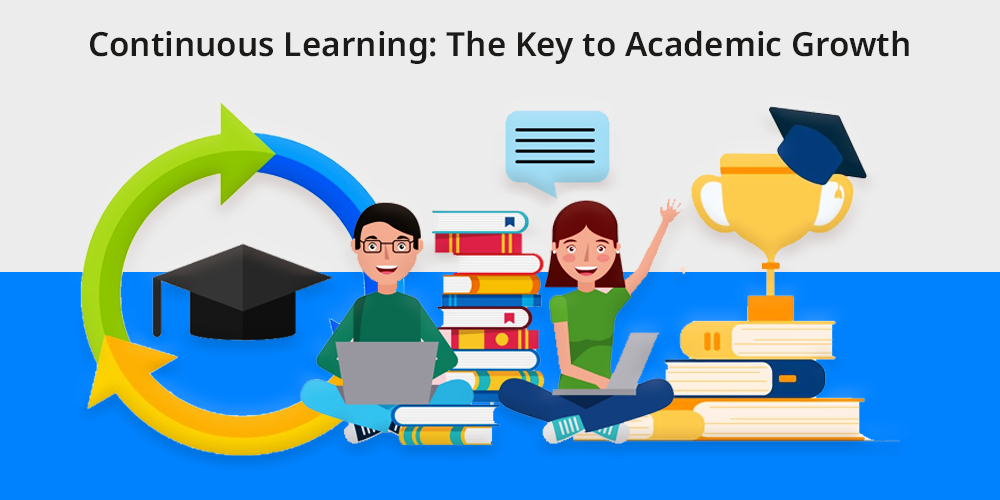
Learning shouldn’t stop after school or university.
Developing new skills keeps your mind active and increases both personal and professional opportunities.
Online courses, books, podcasts, workshops, and educational videos make learning more accessible than ever before.
Whether it’s improving communication, coding, photography, public speaking, or financial literacy, continuous learning helps you stay competitive in a rapidly changing world.
Improve Your Time Management
Time is one of your most valuable resources.
Effective time management helps reduce stress while increasing productivity.
Creating daily schedules, prioritising important tasks, limiting distractions, and avoiding procrastination allow you to accomplish more without feeling overwhelmed.
Many successful people plan their day before it begins, ensuring they focus on activities that align with their long-term goals.
Develop a Growth Mindset
People with a growth mindset believe their abilities can improve through learning and effort.
Instead of viewing mistakes as failures, they see them as opportunities to learn and grow.
Adopting this mindset encourages resilience, confidence, and a willingness to take on new challenges without fear of setbacks.
Prioritise Physical Health
A healthy body supports a healthy mind.
Regular exercise, balanced nutrition, quality sleep, and proper hydration improve energy levels, concentration, and emotional well-being.
Even moderate physical activity like walking, cycling, or yoga can reduce stress while improving overall health.
Taking care of your body also boosts productivity and helps maintain long-term motivation.
Strengthen Your Mental Well-Being

Mental health is an essential part of self-improvement.
Practising mindfulness, meditation, journaling, or simply taking breaks during busy days can reduce stress and improve emotional balance.
Learning to manage negative thoughts and focusing on gratitude also contributes to a healthier mindset.
Seeking professional support when needed is another important step toward personal growth.
Improve Communication Skills
Strong communication builds better relationships at work and in daily life.
Learning to listen actively, express ideas clearly, and communicate with confidence improves teamwork, leadership, and personal connections.
Public speaking, writing, and emotional intelligence are valuable communication skills that continue to grow in importance across every profession.
Read More Books
Reading remains one of the simplest ways to improve yourself.
Books provide new perspectives, practical advice, and valuable knowledge across countless subjects.
Many successful individuals dedicate time each day to reading because it expands their understanding, improves vocabulary, and stimulates creative thinking.
Even reading for fifteen to twenty minutes daily can make a noticeable difference over time.
Reduce Digital Distractions

Technology offers incredible opportunities, but constant notifications and endless scrolling can reduce productivity.
Setting screen time limits, turning off unnecessary notifications, and scheduling focused work sessions help improve concentration.
Creating technology-free periods during the day also supports better mental health and work-life balance.
Step Outside Your Comfort Zone
Personal growth often begins where comfort ends.
Trying new experiences, accepting challenges, travelling, networking, or learning unfamiliar skills builds confidence and resilience.
Every challenge you overcome increases your ability to handle future obstacles with greater confidence.
Build Strong Relationships
Supportive relationships contribute significantly to happiness and success.
Surround yourself with positive people who encourage your goals and inspire personal growth.
At the same time, invest time in family, friendships, and professional networks by communicating openly and showing genuine appreciation.
Healthy relationships create emotional support during both successes and challenges.
Track Your Progress
Monitoring your progress helps maintain motivation.
Keeping a journal, using habit-tracking apps, or reviewing monthly achievements allows you to see how far you’ve come.
Celebrating small wins builds confidence and encourages continued improvement rather than focusing only on distant goals.
Common Self-Improvement Mistakes

Many people expect immediate results and become discouraged when progress seems slow.
Another common mistake is trying to change too many habits at once. This often leads to burnout and inconsistency.
Comparing yourself with others can also reduce motivation. Focus on your own journey and measure success by your personal progress rather than someone else’s achievements.
Remember that self-improvement is a gradual process built through consistent effort.
Self-Improvement Trends in 2026
Personal development continues to evolve alongside technology and changing lifestyles.
AI-powered coaching apps now provide personalised learning plans and productivity suggestions. Digital wellness platforms help users manage screen time and mental health, while habit-tracking apps make building routines easier.
Microlearning, mindfulness practices, remote learning, and personalised skill development are becoming increasingly popular as people seek flexible ways to improve themselves.